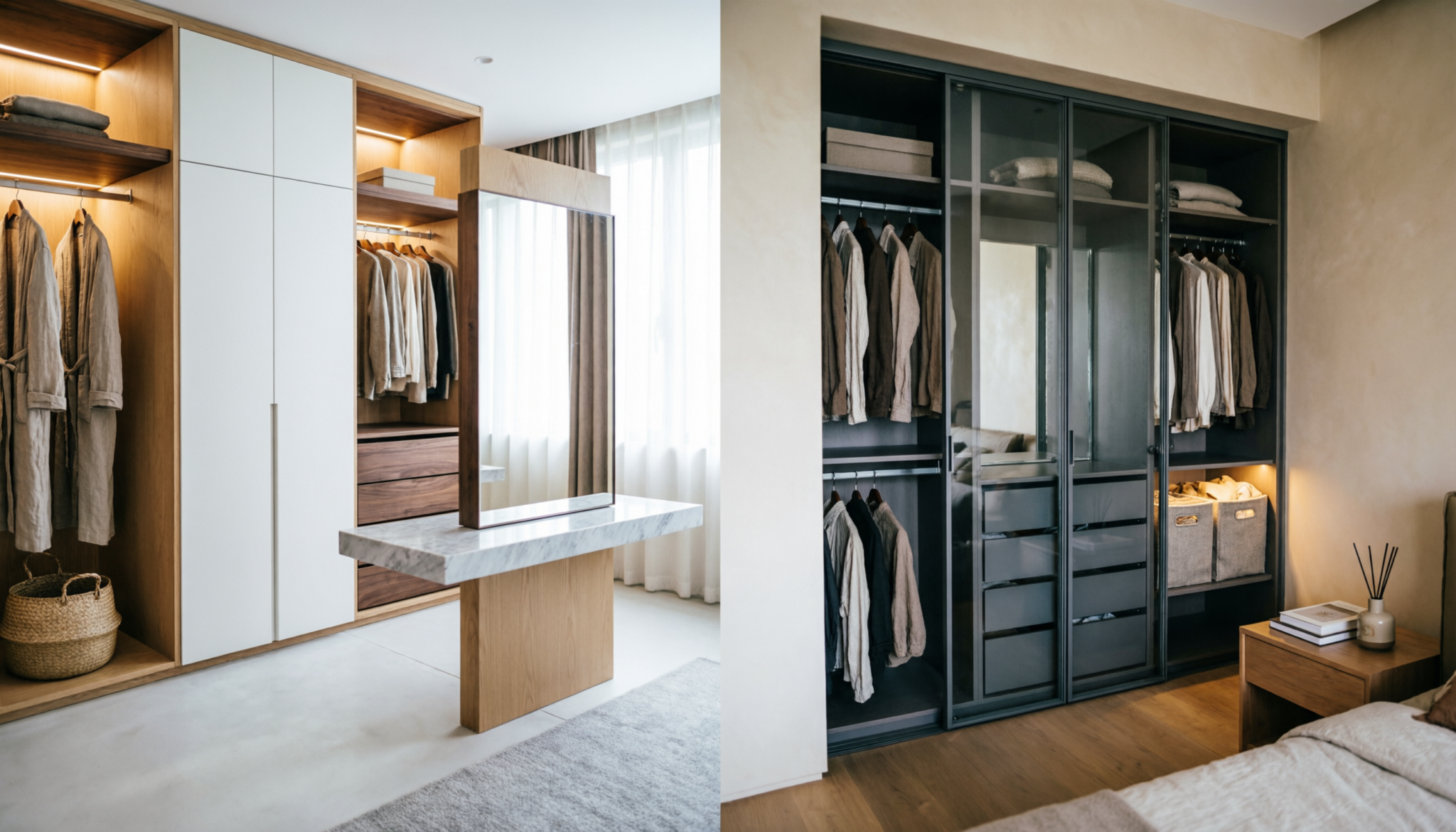
A strong modular closet system improves storage efficiency, reduces clutter buildup, and adapts to changing wardrobe needs. Reach-in closets demand compact organization and flexible layouts. Walk-in closets require zoning, weight support, and long-term structure.
Best Modular Closet Systems for Reach-In vs. Walk-In Spaces
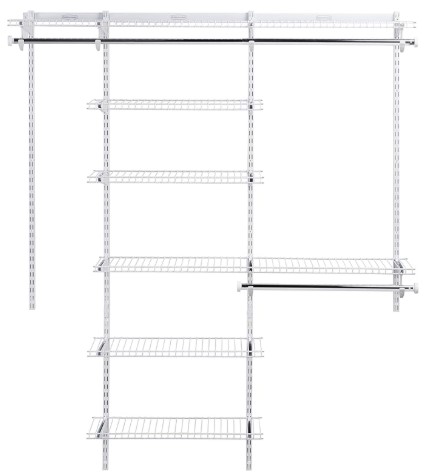
Rubbermaid Configurations Deluxe delivers the strongest balance of flexibility, installation ease, and expandable organization.
ClosetMaid SuiteSymphony creates the best built-in appearance for walk-in closets without premium custom pricing. Wire systems maximize tight spaces. Wood tower systems support heavier storage and cleaner visual structure.
The Winner: Rubbermaid Configurations Deluxe
The Comparison Table
| Closet System | Rubbermaid Configurations Deluxe Closet Kit | ClosetMaid SuiteSymphony Closet Organizer | Amazon Basics Closet Organizer |
|---|---|---|---|
| Mount Type | Wall‑mounted | Floor + wall | Wall‑mounted |
| Material | Steel wire | Engineered wood | Steel + epoxy |
| Adjustability | Excellent | High | Excellent |
| Best Application | Reach‑in | Walk‑in | Flexible both |
| Typical Width Range | 3–6 ft | 5–10 ft | Custom modular |
| Price | Amazon | Amazon | Amazon |
Reach-In vs. Walk-In: What Actually Changes?
Most people get this wrong. The closet type is not about size alone. It’s about access and layout behavior.
Reach-in closets:
- One wall only
- Limited depth (usually under 60 cm usable space)
- Every inch must multitask
Walk-in closets:
- Multiple walls
- Room for zones (hanging, shelves, drawers)
- Poor planning wastes space fast
A bulky wood system in a reach-in often fails. It eats depth and blocks access. On the other hand, a thin wire system in a walk-in leaves dead space and feels unfinished.
How We Tested
Evaluation focused on five core factors: adjustability, weight support, installation complexity, material durability, and long-term layout flexibility.
Systems earned higher rankings when shelves resisted sagging, rods adjusted easily, and configurations supported both folded and hanging storage without requiring extensive customization.
Expert’s Tip: Match closet depth to system thickness
Deep tower systems work best in walk-ins with layered storage zones. Slim wire systems preserve movement and visibility inside reach-ins.
Oversized shelving inside shallow closets creates access problems faster than storage benefits.
Best Modular Closet Systems for Reach-In vs. Walk-In Spaces
1. The Flexibility Workhorse: Rubbermaid Configurations Deluxe Closet Kit
This system handles awkward reach-in spaces better than most. Adjustable rods and shelves shift without tools, which matters when clothing types change.
Where it works:
- Narrow closets
- Rental-friendly upgrades
- Homes where storage needs keep changing
Where it struggles:
- Heavy sweaters stacked long-term
- Anyone wanting a built-in look
2. The Built-In Look Without Custom Cost: ClosetMaid SuiteSymphony
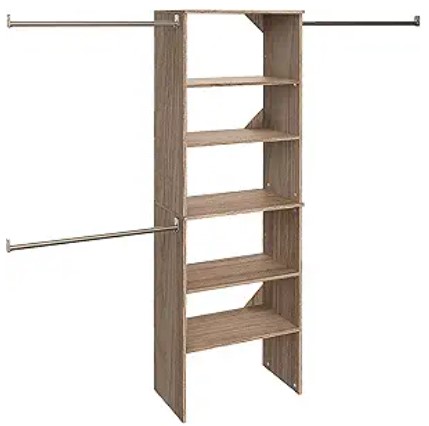
This one leans toward walk-in closets. It uses vertical towers, which instantly create structure.
Why it holds up:
- Strong shelf support for folded items
- Drawer add-ons reduce clutter piles
- Feels permanent without being custom
Weak point:
- Requires more planning upfront
- Not forgiving if measurements are off
3. The Balanced Middle Option: Easy Track Closet Starter Kit
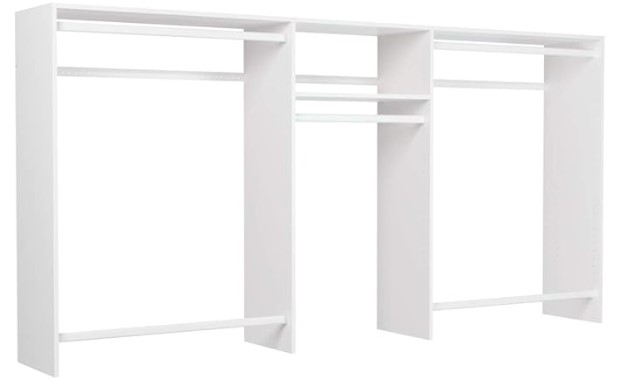
This sits between wire and full wood systems. It’s cleaner than wire but easier to install than heavy tower systems.
Best use:
- Medium reach-ins
- Shared closets needing clear sections
Limit:
- Fewer configuration changes after setup
4. The Budget-Smart Choice: Amazon Basics Adjustable Closet Organizer
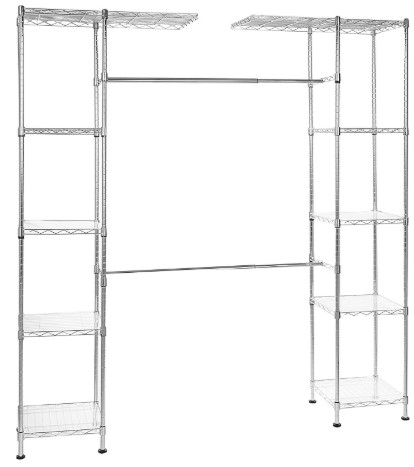
Simple, functional, and widely kept by buyers for a reason. It solves basic storage problems without overcomplicating things.
Where it shines:
- First-time closet upgrades
- Tight budgets
- Quick installs
Where it falls short:
- Not ideal for long-term heavy use
- Limited aesthetic appeal
Wire vs. Wood Systems: What Holds Up Over Time?
Wire Systems
Steel wire systems work best in reach-ins because visibility and airflow remain strong. Lightweight structures also simplify future adjustments. Long-term heavy folded loads, however, often create shelf bowing.
Wood Systems
Engineered wood systems distribute weight more evenly and support drawers more effectively. Walk-ins benefit most from wood because towers create stronger visual organization.
Reconfiguration becomes harder once installation finishes.
A common pattern appears in long-term closet upgrades: wire systems handle early flexibility well, while wood systems often replace wire once storage habits stabilize.
Common Closet Planning Mistakes
Buying Before Measuring Correctly
Incorrect depth measurements create the biggest installation failures. Door clearance, trim thickness, and hanging space must factor into every layout.
Overloading Shelves
Shelves work best for lighter folded storage. Heavy sweaters and dense stacks eventually strain unsupported shelving systems.
Ignoring Vertical Space
A second hanging rod often doubles usable clothing storage instantly without increasing closet width.
Treating Every Clothing Type the Same
Long garments, short garments, folded clothing, shoes, and accessories require separate zones. Modular systems fail when layouts ignore actual wardrobe behavior.
FAQs
1. Which system lasts longer: wire or wood?
Wood systems last longer under heavy loads. Wire systems last longer when frequently adjusted. Choice depends on usage, not price.
2. Can a reach-in closet use a walk-in system?
Technically yes, but it often wastes space. Depth becomes a problem, and access gets cramped.
3. Is professional installation necessary?
Not usually. Most modular systems are designed for DIY. The real challenge is planning, not installation.
Final Thought
A closet system should match daily habits, not just available space. Reach-ins reward simplicity and flexibility. Walk-ins demand structure and planning.
The best setup is the one that stays organized without constant effort. If adjustments feel easy, the system is working. If not, the design missed something important.