
If your goal is cleaner air, not just clean floors, filtration matters more than raw suction.
The bagged design of the Miele Complete C3 and the sealed system of the Dyson Gen5Outsize take very different approaches.
One traps dust permanently; the other relies on a fully sealed HEPA system.
Don’t have time to read? The Winner for Filtration is the Miele Complete C3
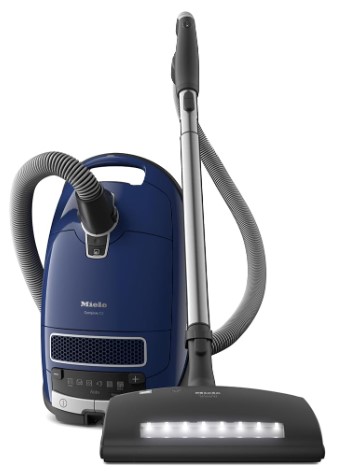
Its sealed bag system traps fine dust permanently, meaning fewer particles escape during emptying.
Meanwhile, the Dyson Gen5Outsize still performs extremely well but exposes dust when the bin is emptied.
Comparison Table
| Feature | Miele Complete C3 | Dyson Gen5Outsize |
|---|---|---|
| Price | Premium | Premium |
| Dust System | Sealed Bag (AirClean) | Bagless Bin |
| Filtration | HEPA AirClean Filter | Whole-Machine HEPA |
| Weight | ~12 lbs (canister body) | ~8.6 lbs handheld |
Why this matters:
People assume suction equals cleanliness. It doesn’t.
The real test is what happens after the dust enters the machine. That’s where filtration design separates these two.
Is Bagless Really Cleaner Than Bagged?
The Filtration Design Difference
The Miele Complete C3 from Miele uses a three-layer filtration system:
- Dust bag with self-sealing collar
- Motor protection filter
- HEPA AirClean exhaust filter
Once dirt enters the bag, it stays there. When the bag is full, it seals automatically, so almost no dust escapes during disposal.
The Dyson Gen5Outsize from Dyson uses cyclonic separation plus a sealed HEPA system.
Air leaving the vacuum passes through a HEPA filter that captures extremely fine particles.
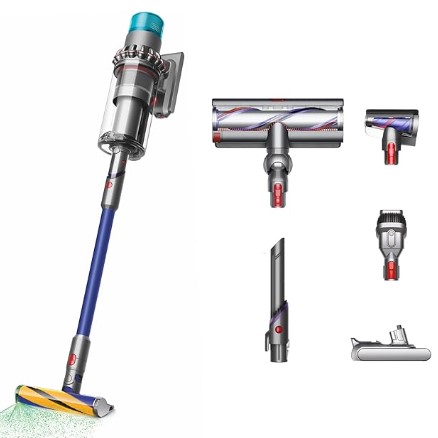
Here’s the practical difference:
Bagged systems trap dust earlier. Bagless systems filter it later.
Both work. But one exposes you to dust during emptying.
Miele Complete C3 vs. Dyson Gen5Outsize: Which filters better?
1. Filtration Strength vs Real-Life Dust Exposure
HEPA Power vs Dust Containment
The Gen5Outsize uses one of the most advanced filtration setups in a cordless vacuum.
Dyson claims it captures particles down to 0.1 microns, including pollen and allergens.
Sounds impressive. But the weak point isn’t the filter. It’s the emptying process.
When you empty a bagless vacuum, the dust cloud you just collected can briefly re-enter the air. Anyone with allergies notices this immediately.
The Miele Complete C3 avoids that problem entirely because the dust stays sealed in the bag.
Real-world takeaway
- Gen5Outsize: excellent filtration during use
- Complete C3: better containment during disposal
If allergies are your main concern, containment matters.
2. Airflow vs Filtration: Do You Need Extreme Suction?
Gen5Outsize Power vs Miele Air Quality
Cordless machines like the Gen5Outsize push extreme airflow to compensate for battery limitations. That’s why it feels powerful.
But suction power doesn’t automatically improve filtration.
In fact, strong airflow can stir dust before capturing it, especially on hard floors.
The Complete C3 takes the opposite approach:
- slower airflow
- tightly sealed system
- multi-layer filtration
This combination tends to produce cleaner exhaust air, which is why many allergy clinics recommend bagged vacuums.
The Hidden Filtration Advantage: Dust Bags
Why Bags Still Win for Allergies
Bagged vacuums feel old-school, but the engineering is hard to beat.
Modern Miele bags are multi-layer electrostatic filters that capture microscopic particles before they reach the motor.
That creates three benefits:
• less dust reaching the HEPA filter
• longer filter lifespan
• less airborne dust during disposal
Bagless vacuums rely heavily on the final HEPA filter to do most of the work.
When that filter clogs, performance drops.
Maintenance Reality Check
Which System Keeps Air Cleaner Over Time?
Both vacuums need maintenance, but the routine looks very different.
Miele Complete C3
- Replace bag every 1–2 months
- Replace HEPA filter roughly yearly
- Almost zero dust exposure
Dyson Gen5Outsize
- Empty bin frequently
- Wash filters regularly
- Expect occasional dust clouds during emptying
None of this makes Dyson bad. It just means you are part of the filtration process.
Pros and Cons
Miele Complete C3
Pros
- Fully sealed bag system
- Exceptional HEPA filtration
- Cleaner air during disposal
- Long filter lifespan
Cons
- Requires replacement bags
- Bulkier storage than cordless
- Not as quick for spot cleaning
Dyson Gen5Outsize
Pros
- Powerful cordless suction
- Advanced HEPA filtration
- Huge dust bin
- Extremely convenient
Cons
- Dust exposure during emptying
- Filters require washing
- Heavy for long cleaning sessions
Maintenance & Longevity
Which Vacuum Keeps Its Filtration Performance Longer?
Filtration quality drops when filters clog or seals wear out.
Bagless vacuums rely heavily on cyclones and washable filters staying perfectly clean.
Bagged systems protect their filters better.
That’s why many 10-year-old Miele canisters still maintain strong airflow and filtration. The internal components simply stay cleaner.
Cordless vacuums tend to experience gradual performance decline as filters age and batteries degrade.
Final Verdict
The Expert’s Choice
If your main goal is cleaner air and better dust containment, the Miele Complete C3 wins.
The sealed bag system prevents dust exposure and keeps filtration consistent for years.
The Dyson Gen5Outsize is still outstanding if you want cordless convenience and powerful pickup. But when the question is which filters better, the bagged design remains the smarter solution.
FAQs
1. Is the Dyson Gen5Outsize better than the Miele Complete C3?
Not universally. The Gen5Outsize is better for cordless convenience and powerful suction.
The Complete C3 is stronger in long-term filtration and dust containment.
2. Does the Gen5Outsize release dust when emptying?
Yes, like most bagless vacuums. The bin empties downward, but some fine dust can still escape when the debris drops into the trash.
3. Which vacuum is better for allergies?
The Miele Complete C3 generally performs better for allergy sufferers because the sealed bag system prevents dust exposure during disposal.