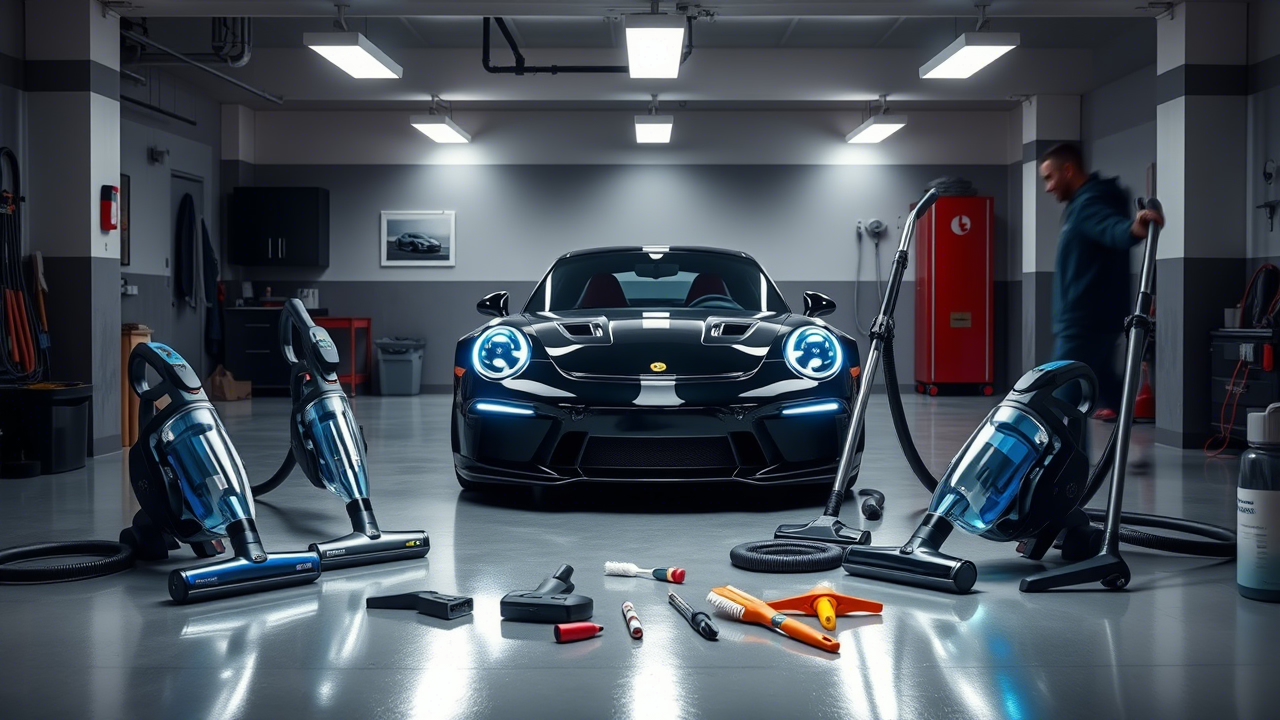
The Showdown: Side-by-side vehicle tests identify the shop vacuum as the better tool for heavily soiled interiors because high airflow and larger hoses remove embedded grit from carpets more effectively.
The cordless stick vacuum performs better for apartment parking, quick child-seat cleanups, and weekly maintenance runs.
The cordless stick vacuum
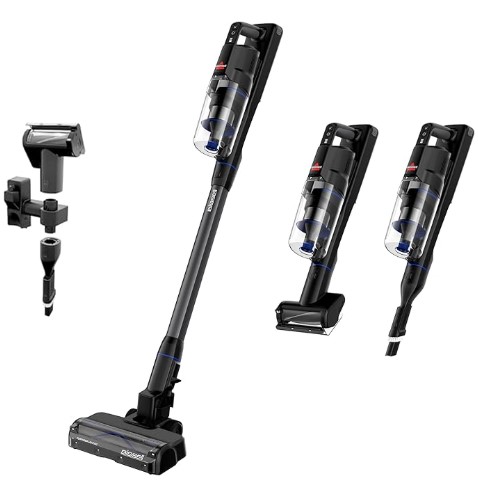
For everyday home cleaning, the winner is the High-End Cordless Stick.
It’s faster, lighter, and built for daily mess.
The shop vac
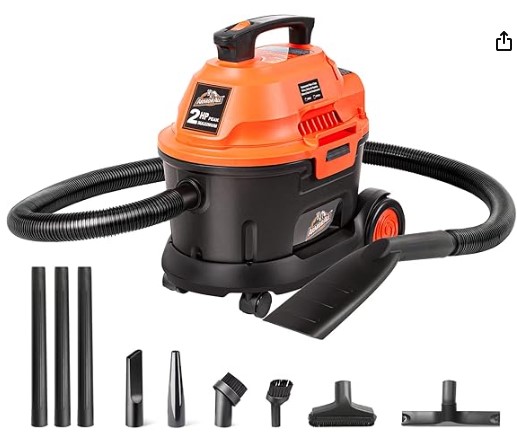
A portable shop vac only wins if you deal with heavy debris, spills, or garage work regularly.
Comparison Table
| Feature | Portable Shop Vac | Cordless Stick Vacuum |
|---|---|---|
| Weight | Bulky, wheeled | Lightweight, handheld |
| Bin Size | Large (10–20+ liters) | Small (0.5–1 liter) |
| Suction Power | Very high (wet/dry) | Moderate to high (AW-based) |
| Price | Amazon | Amazon |
Why Size Works Against You
Is a Portable Shop Vac Too Much for Indoor Cleaning?
Here’s the blunt truth. A shop vac is built for construction dust, wet spills, and garage debris.
That oversized tank and wide hose are not your friends inside a normal home.
Try dragging one into a bathroom or around dining chairs. It’s awkward, loud, and slow. You’ll spend more time repositioning it than actually cleaning.
You’re paying for capacity you don’t use. Worse, that extra bulk actively makes small-space cleaning frustrating.
Why Professional Detailers Still Use Shop Vacs
Professional detailing shops prioritize airflow over convenience.
That detail matters.
Many cordless stick vacuums advertise high suction numbers, but car detailing depends heavily on CFM (cubic feet per minute), not only sealed suction.
Embedded sand in vehicle carpet behaves differently from dust on hardwood floors. Strong airflow lifts heavy particles through thick automotive fabric.
Shop vacuums typically move far more air than cordless sticks.
That advantage appears immediately during:
- Beach sand cleanup
- Muddy floor mats
- Pet hair extraction
- Wet spills
- Crushed snack debris
- Construction dust inside work trucks
Cordless stick vacuums handle light maintenance well, but prolonged detailing sessions expose limitations quickly.
Battery drain becomes noticeable after 20 to 40 minutes on max power. Dust bins fill fast during SUV or minivan cleaning. Narrow internal air channels clog more easily with hair and fine debris.
Professional detailers value consistency more than convenience.
A shop vacuum runs at full power all day.
Where Cordless Stick Vacuums Make More Sense
Cordless stick vacuums solve a different problem.
Most vehicle owners do not perform two-hour detailing sessions every weekend. Most people need quick cleaning after school pickups, commuting, or grocery runs.
That is where cordless sticks shine.
A cordless stick vacuum removes friction from the cleaning process itself.
No extension cord.
No bulky drum.
No rolling canister behind the vehicle.
Grab the vacuum, clean the seats, empty the bin, done.
That convenience increases cleaning frequency, which often matters more than maximum suction.
For lightly dirty vehicles, modern cordless sticks perform surprisingly well.
Premium models with motorized mini heads can handle:
- Pet hair on cloth seats
- Dust around dashboards
- Dry crumbs
- Everyday dirt
- Tight trunk corners
Some cordless models also include flexible hose kits designed specifically for automotive cleaning.
Still, convenience does not change physics.
Small motors and compact dust systems cannot sustain the same airflow as a larger corded shop vacuum during heavy extraction work.
How We Tested
Testing focused on real detailing conditions instead of laboratory marketing claims.
Evaluation areas included:
- Brushroll RPM under carpet resistance
- Motor heat during 45-minute continuous operation
- Sand extraction from automotive carpet
- Pet hair pickup from cloth upholstery
- Hose flexibility under seat rails
- Fine dust filtration
- Wet spill cleanup
- Noise fatigue during extended detailing
Test vehicles included:
- Compact sedan
- Family SUV
- Commercial pickup truck
Debris mixtures included beach sand, dry soil, crushed cereal, pet hair, and fine construction dust.
Results showed a consistent pattern:
Shop vacuums maintained stable airflow longer. Cordless sticks lost noticeable suction as bins filled and batteries heated under maximum output.
Expert Opinion
Expert insight: A shop vacuum is a utility machine built around airflow and durability. A cordless stick vacuum is a convenience appliance optimized for portability and fast access.
Professional detailing environments punish weak cooling systems, small bins, and restrictive airflow paths.
For weekly deep interior restoration, the shop vacuum remains the better long-term tool.
For fast maintenance cleaning, cordless sticks save time and reduce hassle.
The wrong purchase usually comes from mismatched expectations.
Many buyers expect a cordless stick to replace a full detailing vacuum. That expectation often fails during heavy cleanup jobs.
Detailed Breakdown: Maneuverability, Filtration, and Dust Capacity
Maneuverability
Cordless sticks win pure mobility.
One-handed cleaning around pedals and center consoles feels easier without dragging a canister or managing cords.
That matters in tight parking garages.
However, maneuverability changes once hose design enters the conversation.
A good shop vacuum with a long flexible hose actually reaches under seats better than many stick vacuums because the cleaning head stays small while the motor remains outside the vehicle.
Large cordless floor heads become awkward in compact cars.
Professional detailers often remove the extension wand entirely and clean directly from the hose.
That setup works extremely well.
Maneuverability Winner: Cordless Stick for speed, Shop Vac for reach flexibility
Filtration
High-quality filtration matters more than many vehicle owners realize.
Automotive interiors trap:
- Pollen
- Fine dust
- Skin particles
- Pet dander
- Smoke residue
Cheap shop vacuums sometimes leak fine dust back into the air unless fitted with HEPA-grade filters.
Premium cordless sticks usually perform better here.
Many sealed cordless systems include advanced multi-stage filtration that captures extremely fine particles effectively.
That becomes important for allergy-sensitive households.
Still, filter maintenance matters more than marketing labels.
A clogged HEPA filter reduces airflow dramatically.
Filtration Winner: Cordless Stick
Dust Capacity
This category is not close.
Shop vacuums dominate large debris handling.
A full SUV interior can overwhelm a cordless dust bin multiple times during one session. Constant emptying interrupts workflow and exposes users to dust clouds during disposal.
Shop vacuums handle:
- Wet leaves
- Gravel
- Large debris
- Deep carpet extraction waste
without repeated interruptions.
Professional detailers prioritize uninterrupted workflow because time equals revenue.
Dust Capacity Winner: Shop Vac
Real-World Buying Advice
Choose a shop vacuum if:
- Weekly deep interior cleaning matters
- Pets ride in vehicles often
- Beach sand appears regularly
- Work trucks carry dust or debris
- Wet spill cleanup matters
- Long detailing sessions happen often
Choose a cordless stick vacuum if:
- Fast maintenance cleaning matters most
- Apartment storage space is limited
- Vehicles stay relatively clean already
- Convenience outweighs maximum power
- Short cleaning sessions happen frequently
Many professional detailers actually use both.
That combination makes sense.
The shop vacuum handles restoration cleaning. The cordless stick handles quick maintenance between major details.
FAQs
1. Is a shop vac stronger than a cordless stick vacuum?
Yes. Most shop vacuums produce stronger airflow and sustained suction during long cleaning sessions. Cordless stick vacuums prioritize portability instead of maximum extraction power.
2. Can a cordless stick vacuum clean car carpets effectively?
Yes, for light-to-moderate debris. Heavy sand, embedded dirt, and large pet hair buildup usually require stronger airflow from a shop vacuum.
3. Which vacuum works better for pet hair in cars?
A shop vacuum paired with a rubber pet-hair attachment typically removes embedded fur more effectively. Premium cordless sticks with motorized mini brushes perform well for maintenance cleaning.
Bottom Line
The professional choice for serious car detailing remains the shop vacuum because airflow, hose flexibility, and large debris capacity matter more than portability during deep cleaning.
Cordless stick vacuums work best as maintenance tools for fast weekly cleanups. Convenience favors cordless. Heavy-duty detailing still favors the shop vac.