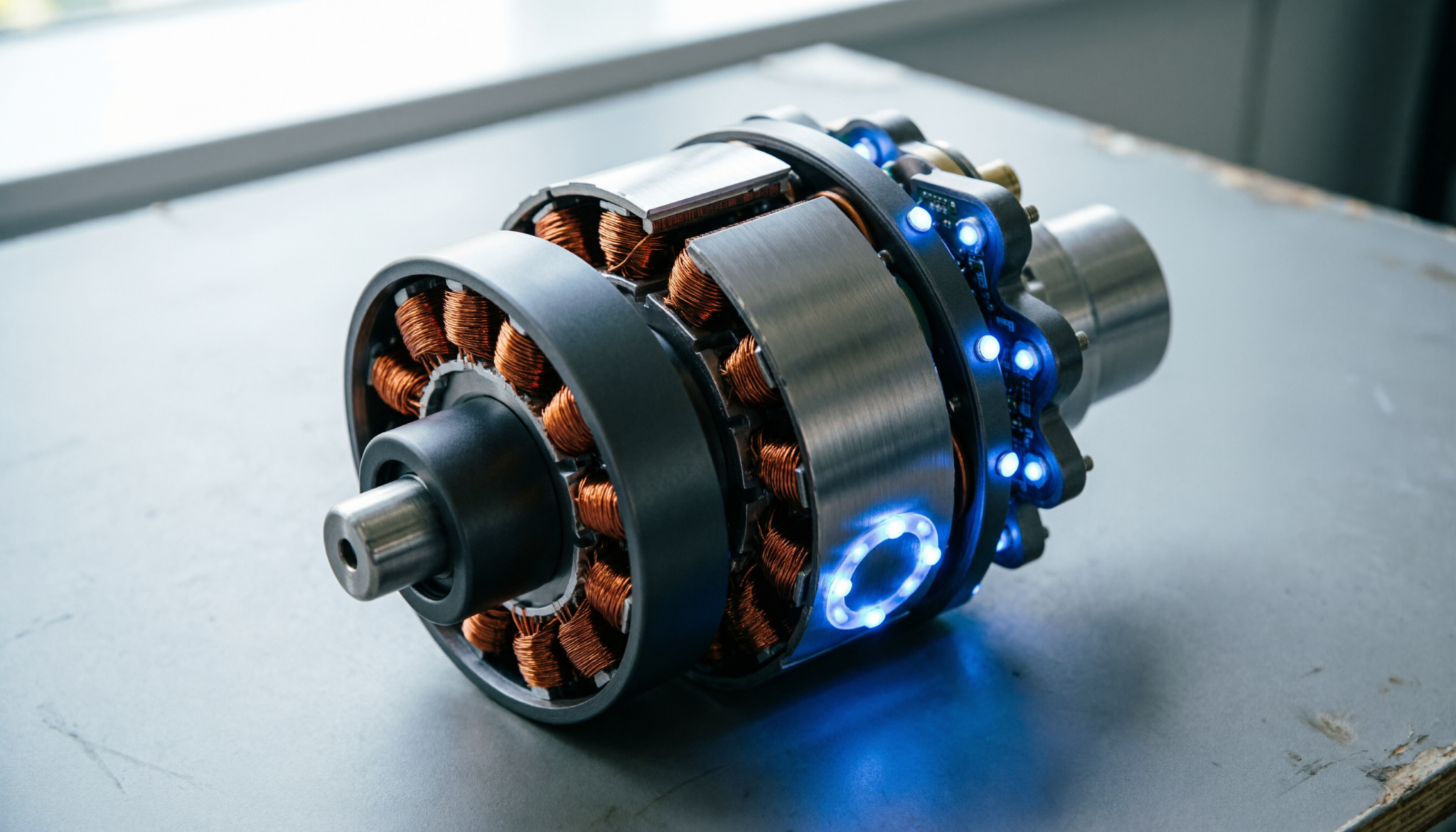
Diagnostic Summary: Blue light flashing on Dyson motors signals airflow restriction, brush-bar load imbalance, or electronic feedback instability.
Persistent patterns indicate internal thermal stress or PCB-level fault, requiring filter inspection, bin seal reset, and motor pathway clearance before escalation to service diagnostics.
Warning: Misreading Blue Light Signals Creates Motor Damage Risk
Blue light flashing patterns on Dyson cordless systems are not cosmetic indicators. Misinterpretation leads to repeated restarts under fault conditions, increasing strain on brushless motor windings.
Key risk behaviors:
- Continuous restart cycling during blockage
- Operating with saturated pre-motor filters
- Ignoring alternating blue-red flash transitions
Motor control boards interpret airflow resistance as load imbalance. Continued operation under fault mode accelerates thermal cutoff activation and permanent controller degradation.
Filtration Depth vs Motor Load Response
| Filter Grade | Particle Size Outcome | Capture Efficiency | Medical Application |
|---|---|---|---|
| Standard Mesh Pre-filter | >10 microns | Low | General dust control |
| HEPA H13 System | ≥0.3 microns | High (99.95%) | Respiratory allergen reduction |
| HEPA H14 Medical Grade | ≥0.1 microns | Very High (99.995%) | Clinical air purification zones |
Higher filtration density increases airflow resistance. Motor control systems compensate through pulse modulation, often reflected in blue flashing diagnostic patterns during restriction events.
The “Morse Code” of Dyson: Translating the LED Pulses.
Dyson vacuums rely on light signals instead of screens. That keeps things simple, but only if the signals are understood.
A slow flashing blue light, around 10 to 12 pulses, points straight to battery trouble. Either the charge is low, or the battery can no longer hold power properly.
Charging may help once or twice, but repeated flashing usually means replacement is overdue.
A solid blue light that cuts off during cleaning tells a different story. Power is available, but airflow is restricted. The motor shuts itself down to prevent overheating.
In real homes, this often comes from hair wrapped inside the brush bar or a clogged wand.
Fast pulsing blue lights tend to be overlooked. These often come from loose battery connections, especially after a battery swap. Even slightly misaligned screws can interrupt power flow.
Then there is the rare but serious long sequence, often around 32 flashes. That points to internal battery cell failure.
No cleaning or resetting will fix that. Continuing to use the vacuum in this state risks damaging the motor further.
Blue Light Flash Pattern Logic in Dyson Motor Systems
Blue flashing signals originate from onboard microcontrollers monitoring motor RPM stability. Brushless digital motors adjust torque dynamically based on airflow resistance.
Common interpretations:
- Single blue pulse cycle: temporary airflow restriction
- Rapid blue flashing: filter saturation or bin seal leak
- Alternating blue pause cycles: brush-bar overload or jammed end-cap assembly
Motor feedback loops compare expected RPM curves against real-time airflow sensors. Deviation triggers protective flashing mode to prevent coil overheating.
Internal trigger sources:
- Pre-motor filter clog buildup
- Cyclone separation inefficiency
- Brush-bar friction spikes
Each signal pattern corresponds to airflow disruption rather than cosmetic error states.
Thermal Cutoff Interaction and Motor Protection Behavior
Thermal cutoff systems prevent permanent winding damage. Blue flashing frequently precedes shutdown cycles triggered by temperature thresholds inside compact motor housings.
Key thermal behaviors:
- Rising coil resistance during restricted airflow
- Sudden RPM drop under load stress
- Protective shutdown following repeated restart attempts
Cooling airflow inside cordless vacuums depends entirely on unobstructed suction pathways.
Blockage leads to heat accumulation in stator assemblies, activating self-preservation logic inside control firmware.
Filter Saturation and False Fault Signaling
Filter saturation ranks among the most misdiagnosed causes of blue light flashing patterns. HEPA layers trap fine particulate matter that gradually restricts airflow volume.
Common misdiagnosis sources:
- Dust compacted inside pleated filter folds
- Silicone gasket misalignment at filter housing
- Residual moisture increasing airflow resistance
Restricted airflow mimics motor failure signals even when electrical components remain fully functional.
Cleaning or replacing filtration assemblies often restores normal flashing behavior without motor intervention.
Expert Insight
Technician’s Insight: If dust is visible on the outside of the vacuum’s HEPA cover, the internal seals have failed. The vacuum is no longer sanitizing the air; it is polluting it.
Brush-Bar Load Imbalance and Flash Cycle Acceleration
Mechanical resistance at the brush head directly affects motor current draw. Hair wrap, carpet fiber compression, or bearing friction increases load feedback.
Observed system responses:
- Intermittent blue flashing during carpet transition
- Rapid flash escalation under thick pile surfaces
- Motor pulsing during obstruction release attempts
Brushless motors compensate through torque modulation. Excessive compensation cycles reduce long-term controller stability and increase diagnostic flash frequency.
Electrical Control Board Fault Interpretation
Control boards interpret airflow, temperature, and load data simultaneously. When sensor disagreement occurs, blue flashing patterns escalate as a protective override.
Typical board-level indicators:
- Inconsistent RPM reporting
- Voltage fluctuation under load
- Sensor drift between airflow and motor current readings
Board-level failure often mimics filter or blockage faults. Persistent flashing after full mechanical cleaning indicates electronic diagnosis requirement rather than airflow correction.
FAQs
1. Why does blue light flashing continue after filter cleaning?
Residual airflow restriction from cyclone blockage or brush-bar friction maintains fault signaling despite clean filters.
2. Does blue flashing always mean motor failure?
Motor failure represents a late-stage outcome. Most cases originate from airflow restriction or sensor misalignment rather than motor destruction.
3. Can continued use damage the vacuum?
Repeated operation under flashing fault mode increases thermal load and accelerates control board wear, reducing long-term motor efficiency.
Bottom Line
Blue light flashing patterns in Dyson motors function as airflow and thermal diagnostics rather than simple alerts. Filter saturation, brush-bar resistance, and cyclone blockage remain primary triggers.
Early correction of airflow restriction prevents thermal stress, control board degradation, and premature motor protection shutdown cycles.