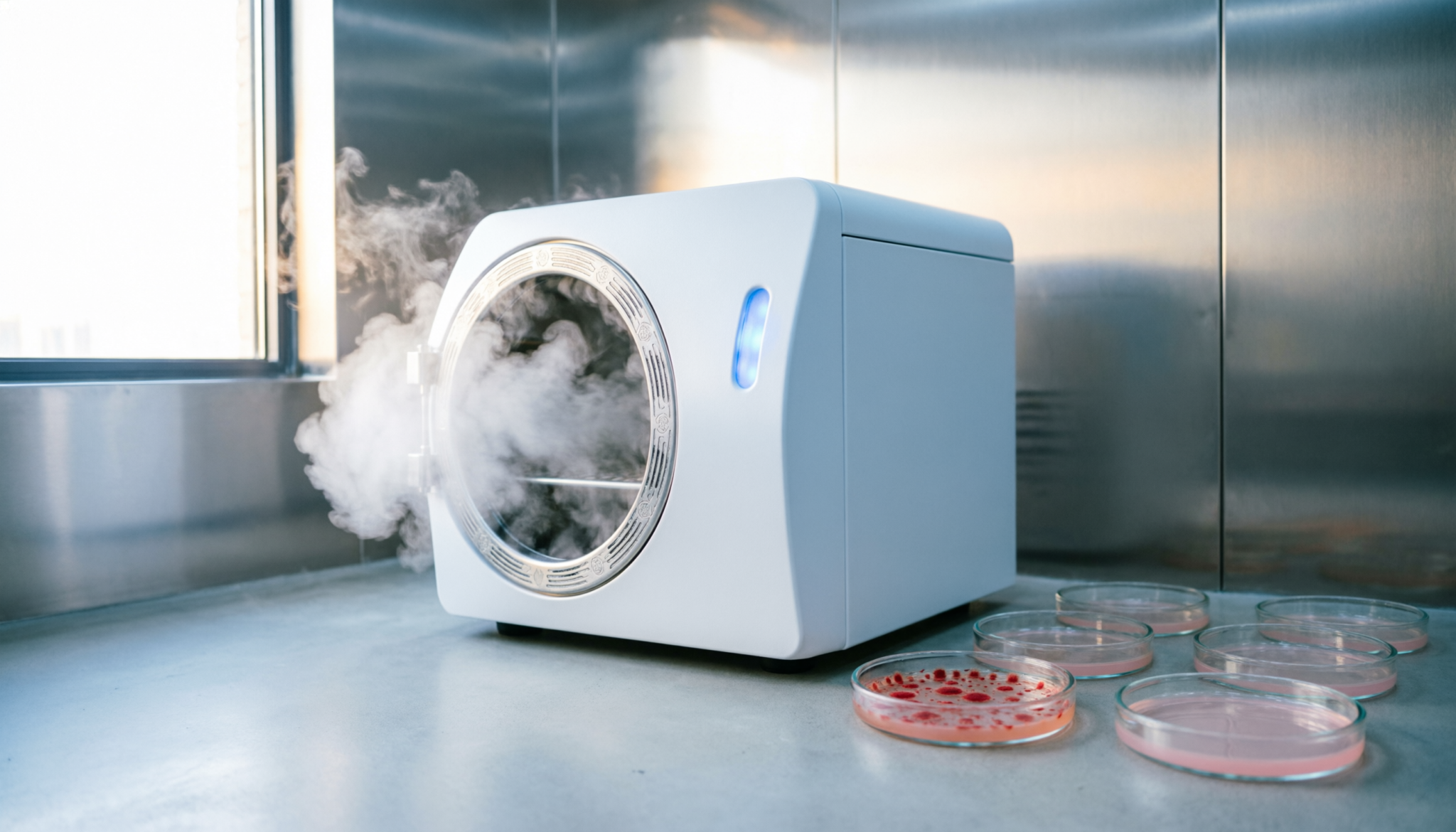
Steam sanitization uses heat energy rather than chemical agents to reduce microbial contamination.
High-temperature water vapor penetrates microscopic surface irregularities, disrupts bacterial proteins, damages cellular structures, and creates conditions incompatible with bacterial survival.
VERDICT
Steam kills up to 99.9% of common household bacteria because high-temperature vapor denatures proteins, damages cell membranes, and disrupts essential biological processes.
Chemical-free sanitization eliminates residue concerns while supporting healthier indoor air quality. Effective steam application combines sufficient temperature, adequate contact time, and thorough surface coverage.
Steam Sanitization Factor Comparison
| Sanitization Attribute | Steam Sanitization | Chemical Disinfectants | Dry Cleaning Methods |
|---|---|---|---|
| Primary Action | Thermal microbial destruction | Chemical reaction | Physical debris removal |
| Residue Production | None | Possible residue | None |
| Indoor Air Impact | Minimal airborne contaminants | Potential chemical emissions | Dust redistribution possible |
How Heat Destroys Bacterial Cellular Structures
Bacteria survive through complex biological systems that depend on stable proteins, intact cell membranes, and controlled internal chemistry. Steam disrupts each of these survival mechanisms simultaneously.
When steam contacts a cooler surface, rapid heat transfer occurs. Temperatures exceeding bacterial tolerance levels cause protein denaturation.
Protein denaturation changes the physical structure of critical enzymes and cellular components. Without functional proteins, bacterial metabolism stops.
Cell membrane damage follows. Membranes regulate nutrient transport, waste removal, and cellular stability.
High temperatures weaken membrane integrity, resulting in leakage and structural failure.
Thermal exposure also damages genetic material and interrupts cellular reproduction. Even surviving bacteria often lose reproductive capability after sufficient heat exposure.
This combination of protein destruction, membrane disruption, and metabolic failure explains the strong sanitization performance associated with steam.
Why Moist Heat Outperforms Many Alternatives
Moist heat transfers energy more efficiently than dry heat. Water molecules carry substantial thermal energy and rapidly distribute heat across contaminated surfaces.
Steam offers several advantages:
- Rapid heat delivery
- Deep penetration into crevices
- Uniform surface coverage
- Reduced reliance on chemical agents
- Residue-free sanitization
Surface irregularities frequently shelter bacteria from conventional cleaning methods. Steam penetrates microscopic cracks, grout lines, fabric fibers, and textured materials more effectively than many dry cleaning approaches.
Moist heat also accelerates protein coagulation within bacterial cells. Faster biological disruption means improved sanitization efficiency under appropriate operating conditions.
Indoor environments benefit from this process because sanitization occurs without introducing additional fragrances, solvents, or chemical compounds into household air.
Expert Insight
Steam sanitization succeeds because bacterial survival depends upon temperature-sensitive biological structures.
Heat exposure attacks multiple cellular systems simultaneously, reducing opportunities for microbial adaptation.
Consistent temperature delivery, proper dwell time, and complete surface coverage remain essential factors. Sanitization effectiveness depends upon process quality rather than steam production alone.
Indoor Air Quality Benefits Beyond Sanitization
Indoor air quality depends on more than visible cleanliness. Biological contamination contributes to odor development, microbial growth, and airborne particle accumulation.
Steam supports indoor air quality through several mechanisms.
First, steam reduces bacterial populations on frequently touched surfaces. Lower bacterial activity often results in reduced odor generation.
Second, chemical-free sanitization eliminates potential emissions associated with certain cleaning products. Many conventional cleaners release volatile organic compounds during application and drying.
Third, steam loosens accumulated dirt, grease, and organic residues that support microbial growth. Removal of these food sources limits future bacterial development.
Fourth, steam treatment can assist with maintenance of hard flooring, tile surfaces, grout lines, sealed countertops, and other areas where contamination accumulates.
Improved surface hygiene contributes indirectly to healthier indoor environments by reducing biological reservoirs throughout the home.
Effective indoor air quality management still requires:
- Ventilation
- Humidity control
- Source reduction
- Filtration
- Routine cleaning
Steam functions as one component within a broader indoor environmental strategy.
Common Conditions Affecting Steam Performance
Steam effectiveness depends upon several operational variables.
Temperature
Higher temperatures generally increase bacterial destruction rates. Steam must reach the target surface with sufficient thermal energy to create biological damage.
Contact Time
Brief exposure may not achieve desired sanitization levels. Adequate dwell time allows heat penetration and cellular disruption.
Surface Characteristics
Smooth surfaces typically respond more predictably than heavily porous materials. Surface texture influences heat distribution and moisture penetration.
Organic Contamination
Heavy grease, dirt, and biological residue can create protective barriers around microorganisms. Pre-cleaning may improve sanitization outcomes.
Moisture Distribution
Uniform steam coverage ensures consistent heat exposure. Missed areas may retain microbial contamination.
Humidity Conditions
Environmental conditions influence condensation rates and thermal transfer characteristics. Moderate indoor humidity often supports predictable steam performance.
Understanding these variables helps maximize sanitization effectiveness while supporting overall indoor cleanliness goals.
FAQs
1. Does steam kill all bacteria?
No. Steam can eliminate up to 99.9% of many common household bacteria under proper conditions, but effectiveness depends on temperature, exposure duration, surface type, and application technique.
2. Why does steam work without chemicals?
Steam relies on thermal energy rather than chemical reactions. High temperatures denature proteins, damage cell membranes, and interrupt biological processes necessary for bacterial survival.
3. Does steam improve indoor air quality?
Steam can support indoor air quality by reducing bacterial contamination, removing organic residues, and avoiding chemical cleaning emissions. Ventilation and filtration remain essential components of comprehensive air quality management.
Final Word
Steam sanitization demonstrates a fundamental scientific principle: bacteria cannot survive sufficient heat exposure. High-temperature vapor damages proteins, membranes, and metabolic systems without chemical assistance.
Strong sanitization performance, residue-free cleaning, and indoor air quality benefits make steam a practical method for maintaining cleaner, healthier indoor environments when applied correctly.