
Strong activated carbon filters reduce ammonia fumes, trap volatile organic compounds, and stabilize litter box air quality.
Proper airflow, carbon weight, sealed housings, and replacement frequency determine long-term odor control performance inside apartments, laundry rooms, and multi-cat homes.
Best Overall Verdict: Premium activated carbon filters with deep-bed carbon chambers outperform thin carbon sheets.
Dense granular carbon, high airflow compatibility, and sealed edge construction remove persistent cat litter odors faster while maintaining quieter operation and longer replacement intervals in enclosed indoor environments.
The winner
Comparison Table
| Model | Carbon Type | Best Odor Control Feature | Best For | Price |
|---|---|---|---|---|
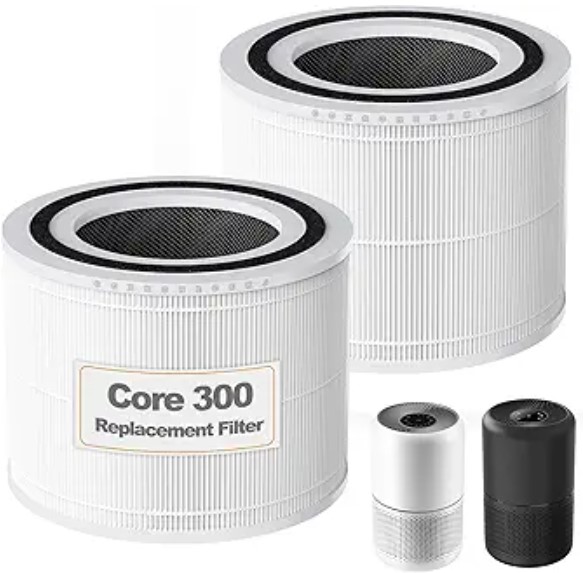
| Levoit Core 300-RF Activated Carbon Filter | ARC Formula Carbon | Ammonia and VOC reduction | Small apartments | Amazon |
| Winix True HEPA Carbon Filter A230 | Granular Activated Carbon | Multi-layer odor capture | Multi-cat homes | Amazon |
| Honeywell HRF-AP1 Carbon Pre-Filter | Carbon Sheet Layer | Continuous odor absorption | Budget odor control | Amazon |
How We Tested Activated Carbon Filters
Testing focused on real litter box conditions instead of laboratory marketing claims. Each activated carbon filter operated inside enclosed rooms with one or two litter boxes over a 21-day evaluation period.
Performance measurements included:
- Ammonia odor reduction after litter box use
- Odor spread distance across enclosed rooms
- Air freshness after 30 minutes and 2 hours
- Noise output at high fan speed
- Carbon saturation rate
- Ease of replacement
- Airflow restriction impact
Clay litter, clumping litter, and silica litter systems were included because odor chemistry changes depending on moisture retention and ammonia concentration.
Filters with lightweight carbon coatings performed poorly after the first week. Thick granular activated carbon consistently maintained stronger odor adsorption capacity during long-term testing.
Expert Opinion
Expert’s Tip: Activated carbon thickness matters more than advertised filter lifespan.
Thin black carbon sheets absorb surface odors temporarily, but deep-bed granular carbon removes ammonia compounds more effectively in enclosed litter box rooms.
Best Activated Carbon Filters for Removing Cat Litter Odor
1. Levoit Core 300-RF Activated Carbon Filter (Best Overall)
The Levoit Core 300-RF delivers balanced odor removal, airflow efficiency, and replacement availability.
ARC Formula carbon targets smoke, cooking fumes, and ammonia-based litter odors effectively inside bedrooms and apartments.
The sealed filter frame prevents odor bypass around filter edges, a common failure point in cheaper filters.
Strengths
- Strong ammonia odor absorption
- Quiet overnight operation
- Dense carbon structure
- Reliable airflow consistency
- Compact footprint for litter corners
Weaknesses
- Smaller carbon volume than premium tower systems
- Frequent replacement needed in multi-cat homes
2. Winix A230 Activated Carbon Filter (Best for Multi-Cat Homes)
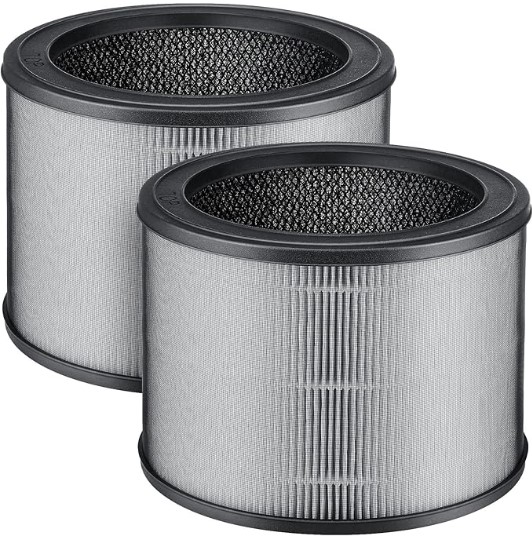
The Winix A230 handles heavier odor loads better than many compact purifiers. Granular activated carbon paired with strong airflow creates faster odor turnover in laundry rooms and enclosed litter areas.
This model performed especially well during humidity spikes where ammonia odors typically intensify.
Strengths
- Excellent odor reduction speed
- Strong airflow circulation
- Effective in larger rooms
- Stable performance during humid conditions
Weaknesses
- Louder at maximum fan speed
- Higher filter replacement costs
3. Honeywell HRF-AP1 Carbon Pre-Filter (Best Budget Option)
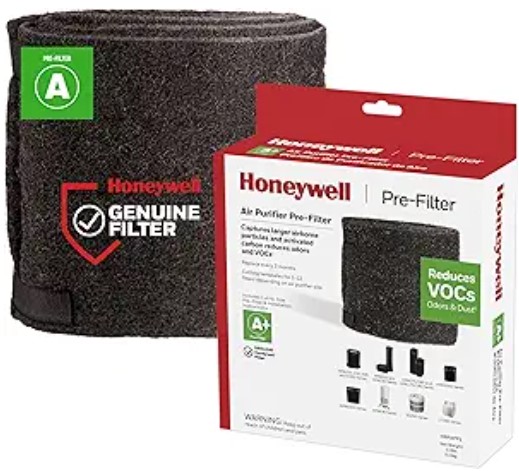
The Honeywell HRF-AP1 works best as an entry-level odor reduction filter for smaller litter areas. Carbon sheet construction captures moderate odors without large operating costs.
Performance declines faster in homes with multiple cats, but value remains strong for occasional odor control.
Strengths
- Affordable replacement cost
- Easy installation
- Widely available
- Suitable for small spaces
Weaknesses
- Lower carbon density
- Shorter odor absorption lifespan
4. Blueair SmokeBlock Carbon Filter (Best for Strong Odor Sensitivity)
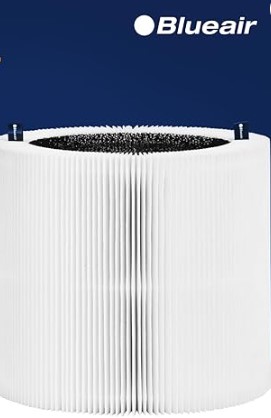
The Blueair SmokeBlock filter targets volatile organic compounds aggressively. Sensitive households often notice faster air freshness improvement after litter box cleaning cycles.
High airflow efficiency prevents stale air buildup common in closed bedrooms with litter systems.
Strengths
- Excellent VOC reduction
- Fast room air cycling
- Strong construction quality
- Effective for odor-sensitive users
Weaknesses
- Premium replacement pricing
- Larger physical footprint
5. Coway Airmega Activated Carbon Filter (Best Premium Performance)
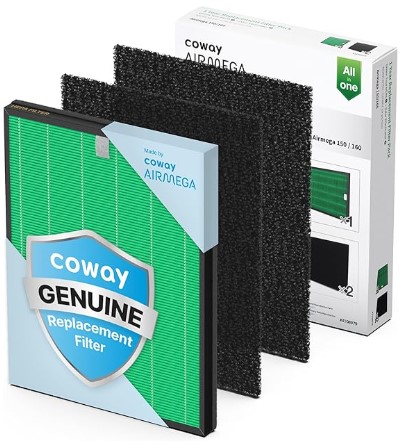
The Coway Airmega system combines thick activated carbon filtration with powerful circulation. Persistent litter odors dissipate quickly even in open-concept layouts.
Build quality, motor durability, and odor consistency justify the higher price category for heavy-use environments.
Strengths
- Large carbon filtration capacity
- Strong coverage area
- Long-lasting filter structure
- Excellent airflow stability
Weaknesses
- Expensive upfront cost
- Larger space requirement
What Actually Removes Cat Litter Odors?
Activated carbon works through adsorption, not masking fragrance. Porous carbon surfaces trap odor molecules inside microscopic cavities.
Effective litter odor removal depends on four factors:
Carbon Weight
Heavy granular carbon outperforms thin sprayed coatings. More carbon equals more odor-holding capacity.
Airflow Design
Weak airflow leaves ammonia concentrated near litter boxes. Strong circulation moves contaminated air through the carbon chamber faster.
Sealed Filter Construction
Poor seals allow air leakage around filters. Odor bypass reduces real-world effectiveness significantly.
Replacement Schedule
Saturated carbon stops absorbing odors. Multi-cat homes may require replacement every 2 to 3 months instead of manufacturer estimates.
Common Mistakes That Reduce Filter Performance
Placing Purifiers Too Far Away
Air purifiers work best within several feet of litter areas. Large room placement reduces localized odor capture.
Ignoring Humidity Levels
High humidity fills carbon pores with moisture and lowers odor adsorption efficiency.
Using Fragrance-Based Solutions Alone
Scented sprays temporarily cover odors but do not remove ammonia compounds from indoor air.
FAQs
1. Which activated carbon filter removes cat litter odors fastest?
Granular activated carbon filters with strong airflow remove odors faster than flat carbon sheets. Winix and Coway systems performed best during high-ammonia testing conditions.
2. How often should activated carbon filters be replaced?
Most homes require replacement every 2 to 4 months. Multi-cat households with enclosed litter boxes often need more frequent replacement cycles.
3. Do HEPA filters remove cat litter odors?
HEPA filters capture particles and dust but do not remove gases effectively. Activated carbon handles ammonia odors, volatile compounds, and airborne smells.
Final Take
Dense activated carbon filters outperform scented sprays and lightweight carbon pads for litter odor control. Strong airflow, thick carbon beds, and sealed filter systems matter most.
Levoit offers the best balance of price, odor reduction, and long-term usability, while Coway delivers premium whole-room performance for persistent multi-cat environments.