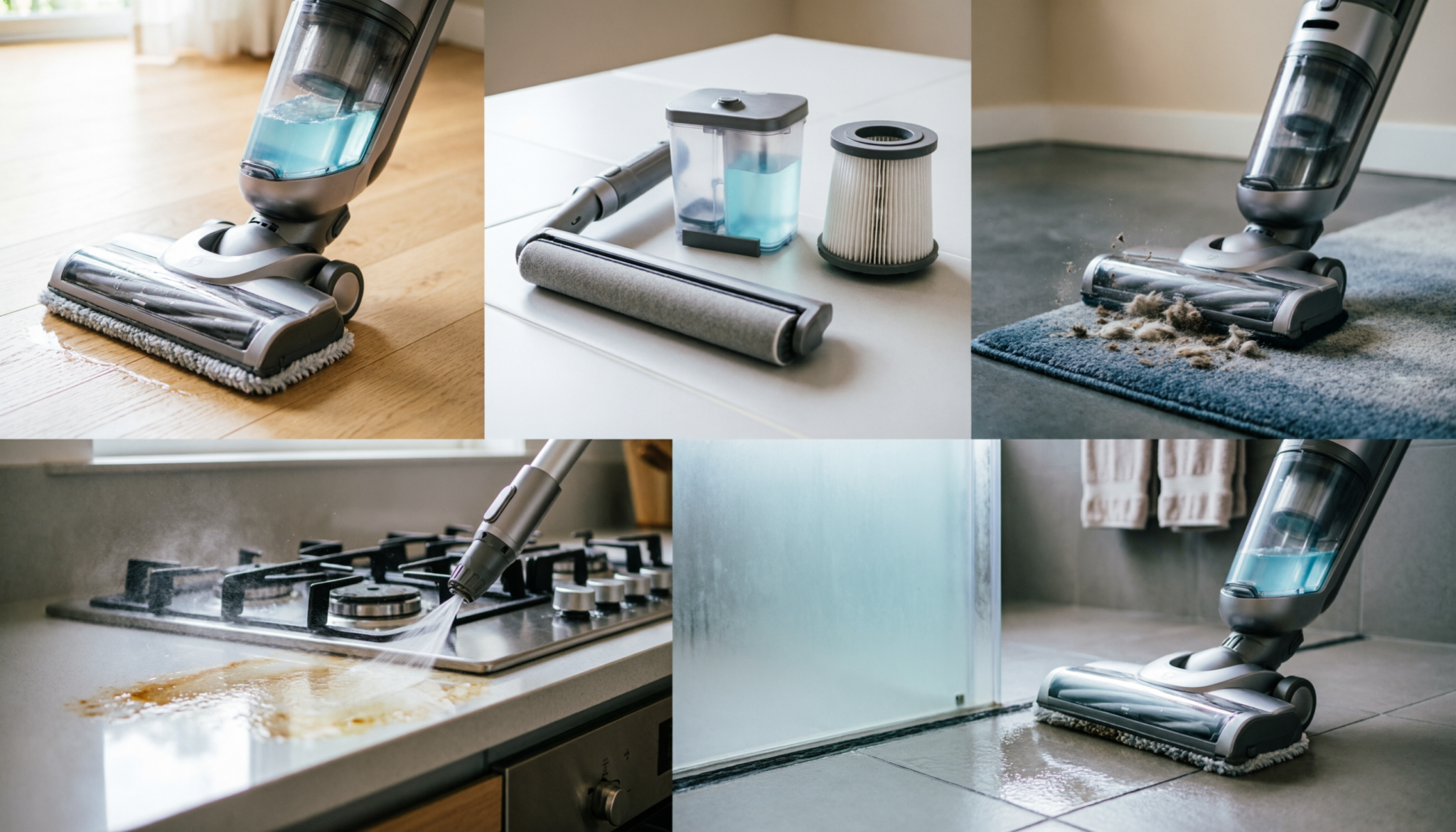
The Top-Tier Recommendation: Low-foaming formulas matter more than fragrance or brand recognition. The Tineco Multi-Surface Cleaning Solution leads because the residue-free formula protects pumps and sensors while leaving sealed floors clean without streaks or sticky buildup.
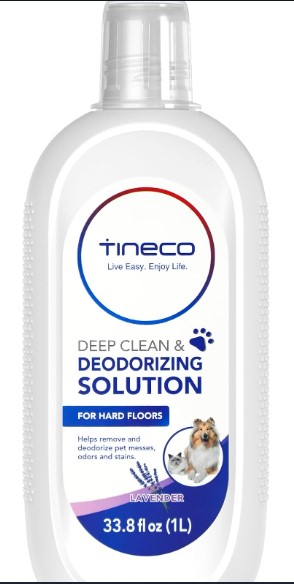
The Winner: Tineco Multi-Surface Cleaning Solution
Quick Comparison Table
| Solution | Best Use | Foam Level | Key Strength | Cost Efficiency | Price |
|---|---|---|---|---|---|
| Tineco Multi-Surface Cleaning Solution | Hardwood floors | Very low | Streak-free finish on sealed wood | High (concentrated) | Amazon |
| Bissell CrossWave Multi-Surface Floor Cleaning Formula | Area rugs & mixed floors | Low | Breaks down embedded dirt without soaking | Medium (semi-concentrated) | Amazon |
| OdoBan Disinfectant Cleaner Concentrate | Whole home use | Very low | Odor control + flexible dilution ratios | Very high (heavily concentrated) | Amazon |
Why Sudsy Cleaners Damage Wet/Dry Vacuums
Traditional floor cleaners often create problems inside wet/dry vacuum systems.
Products like standard multi-surface cleaners generate excess foam that interferes with water-flow sensors. Instead of moving liquid efficiently, pumps pull bubbles through internal pathways.
That creates several long-term problems:
- Sensor misreads
- Reduced suction performance
- Foam intrusion into motor pathways
- Premature pump wear
- Internal odor buildup
Residue creates another layer of trouble. Many household cleaners leave behind a thin coating designed to improve shine. Inside a mop vacuum, that coating sticks to tubes, rollers, and filters.
Over time, airflow weakens, streaks appear more often, and the machine develops the sour smell many owners struggle to remove.
Most manufacturers classify this as improper chemical use, which means warranty coverage rarely applies.
Our Testing Criteria for Wet/Dry Vacuum Solutions
Cleaning performance alone does not determine whether a formula belongs inside a mop vacuum.
Testing focused on:
- Foam suppression during long cleaning cycles
- Residue levels after drying
- Compatibility with sealed flooring
- Internal system cleanliness after repeated use
- Odor prevention
- Dilution efficiency
Some cleaners produced impressive shine initially but left internal buildup after repeated testing.
Others cleaned well yet weakened suction because foam interfered with water sensors.
Low-residue performance consistently mattered more than fragrance or heavy chemical strength.
Expert Insight
Expert Tip: Foam control matters more than aggressive detergents inside wet/dry vacuums. Pumps and sensors operate using stable liquid flow.
Excess bubbles interrupt that balance and shorten component lifespan faster than most homeowners realize.
Top 5 Wet/Dry Vacuum Cleaning Solutions
1. Best for Hardwood: Tineco Multi-Surface Cleaning Solution
Why It Made the List
Sealed hardwood floors expose streaking problems immediately. This formula cleans deeply without leaving haze or sticky residue behind.
The low-foam design also protects internal pathways and keeps sensors operating consistently during long cleaning sessions.
Reality Check
The formula costs more upfront than generic cleaners. Heavy weekly cleaning may increase operating costs for larger homes.
Pros
- Excellent streak-free hardwood performance
- Very low foam production
- Strong machine compatibility
Con
Higher bottle cost than generic alternatives
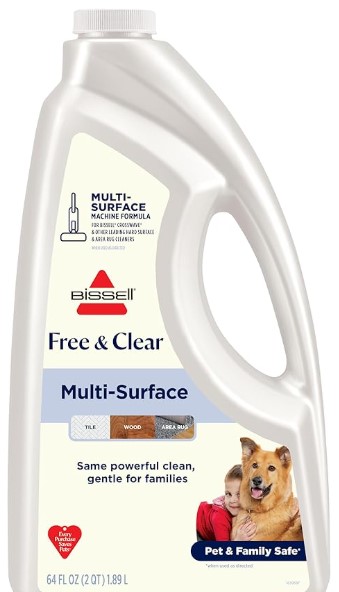
2. Best for Area Rugs: Bissell CrossWave Multi-Surface Floor Cleaning Formula
Why It Made the List
Area rugs trap oils and debris deeper than hard flooring. This formula breaks down embedded dirt while staying controlled enough for wet/dry vacuum systems.
The balance between cleaning strength and low foam keeps both rugs and internal machine parts safer during repeated use.
Reality Check
Semi-concentrated formulas do not stretch as far as heavy concentrates. Frequent use increases refill frequency.
Pros
- Effective on rugs and mixed surfaces
- Controlled low-foam cleaning
- Minimal residue after drying
Con
Lower dilution efficiency than concentrates
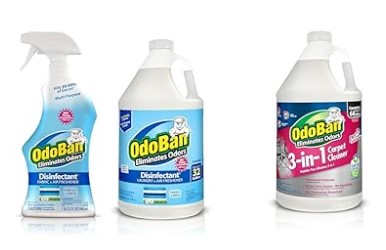
3. The Universal Choice: OdoBan Disinfectant Cleaner Concentrate
Why It Made the List
Whole-home cleaning demands flexibility. OdoBan handles tile, laminate, and sealed wood while offering adjustable dilution ratios for lighter or stronger cleaning needs.
Odor control also performs exceptionally well because the formula targets odor sources instead of masking smells temporarily.
Reality Check
Improper dilution can leave excess cleaner behind. Accurate measuring matters with concentrated formulas.
Pros
- Excellent cost-per-use value
- Strong odor control performance
- Flexible dilution ratios
Con
Requires careful measuring during mixing
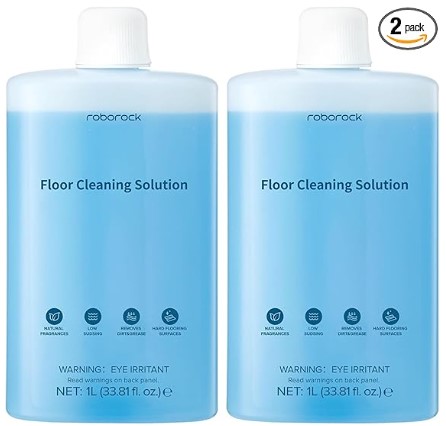
4. Best for Robot Mop Vacuums: Roborock Floor Cleaning Solution
Why It Made the List
Robot mop vacuums use narrower tubing and highly sensitive sensors. Thick cleaners create problems quickly in automated systems.
This ultra-low-foam formula keeps water channels cleaner while preventing residue that interferes with navigation and automated cleaning cycles.
Reality Check
Cleaning strength feels lighter on heavily soiled flooring compared to stronger manual vacuum formulas.
Pros
- Excellent sensor-safe formula
- Extremely low foam production
- Reduces buildup in narrow tubing
Con
Less aggressive on deep grime
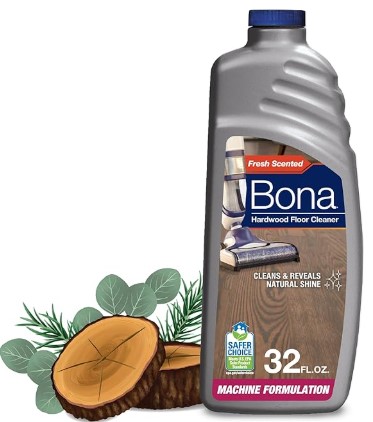
5. Best Alternative for Hardwood Care: Bona Hardwood Floor Cleaner
Why It Made the List
Compatible Bona formulas work well for wood-focused households because the fast-drying formula leaves a natural-looking finish instead of artificial shine.
Used carefully, compatible versions also rinse relatively clean inside mop vacuum systems.
Reality Check
Not every Bona variant works safely inside wet/dry vacuums. Compatibility must be checked carefully before use.
Pros
- Natural hardwood finish
- Fast drying performance
- Good low-residue cleaning
Con
Some variants are not machine-safe
The Cost-Per-Use Breakdown
Pre-mixed store brands look cheaper on the shelf. That impression fades quickly.
Concentrated solutions stretch much further. A single bottle often produces multiple tanks of cleaning fluid. Cost per use drops significantly when diluted correctly.
A simple comparison:
- Pre-mixed cleaner: lasts 5–7 uses
- Concentrate: lasts 15–30 uses
Over time, concentrated formulas cost less and perform better. There is also less risk of residue buildup, which reduces maintenance costs.
Cutting corners here usually leads to higher repair bills later.
The Maintenance Flush: Preventing Sour Mop Smell
Even the best solution leaves traces behind. Without proper rinsing, those traces turn into odor.
A simple routine keeps everything fresh:
Step 1: Empty Immediately
Drain dirty water right after cleaning. Letting it sit invites bacteria growth.
Step 2: Rinse the System
Fill the tank with clean water and run the machine for a minute. This clears leftover solution from tubes and rollers.
Step 3: Air Dry Completely
Remove the brush roll and let all parts dry fully. Trapped moisture leads to that sour smell many households struggle with.
This process takes a few minutes but extends the life of the machine and keeps floors smelling clean.
FAQs
1. Can regular floor cleaner be diluted and used safely?
Dilution reduces foam but does not eliminate residue or chemical buildup. Most standard cleaners still interfere with sensors and internal parts.
2. How often should cleaning solution be used?
Every wet cleaning session should include the proper solution. Plain water alone does not break down oils effectively and may leave floors dull.
3. What causes streaks after mopping?
Streaks usually come from residue buildup or using too much solution. Switching to a low-foaming formula and measuring correctly solves this quickly.
Final Thought
A wet/dry mop vacuum works best with the right partner inside the tank. Low-foaming, residue-free solutions protect internal parts while delivering a deeper clean.
Small choices here prevent costly repairs, reduce odors, and keep floors consistent. Long-term performance always comes down to what flows through the machine daily.