Most vacuum mops fail early for one simple reason: the wrong cleaning solution.
Acidic or highly alkaline liquids quietly damage seals, clog systems, and dull floors.
Getting the pH right keeps the machine running smoothly, protects finishes, and prevents costly repairs that could have been avoided.
The pH Scale for Homeowners
The pH scale runs from 0 to 14. It measures how acidic or alkaline a liquid is.
- 0–6 (Acidic): Vinegar, lemon juice
Cuts mineral buildup, but slowly eats rubber seals and damages stone. - 7 (Neutral): Balanced, safe zone
Ideal for vacuum mops and most sealed floors. - 8–14 (Alkaline): Bleach, ammonia
Effective for disinfecting, but harsh on finishes and internal parts.
Here’s the hard truth: most vacuum mop systems are engineered for neutral solutions.
Go outside that range, and wear starts immediately. Not dramatic at first, but steady and expensive.
How to pH-Balance Your Cleaning Solution for Vacuum Mops
Why “Suds” Are the Enemy
More foam does not mean more cleaning power. It means trouble.
Vacuum mops rely on controlled water flow, suction, and separation inside the tank. Regular floor cleaners create bubbles that:
- Block airflow inside the motor chamber
- Interfere with sensors and valves
- Leave residue that gums up internal parts
Anti-foaming agents in proper solutions prevent this.
Without them, the machine works harder, runs hotter, and fails sooner. That “extra clean” feeling from suds is misleading.
The Real Risk: Internal Damage You Can’t See
Inside every vacuum mop are small but critical components:
- Rubber O-rings
- Plastic valves
- Fine channels for water flow
Acids dry out rubber. Strong alkalines soften and warp it. Either way, seals fail. Once that happens:
- Leaks develop
- Suction drops
- Electronics get exposed to moisture
At that point, repair costs often rival replacement. Warranty claims usually get rejected when the wrong solution is used.
The DIY vs. Commercial Debate
DIY: Possible, but risky
A safe homemade mix needs strict control:
- Distilled water as a base
- A tiny amount of mild, neutral soap
- No vinegar, no bleach, no essential oils
Even then, consistency is the problem. One slightly off mix can tip the pH and start damage.
Commercial: Boring, but reliable
Manufacturer-approved solutions are built for:
- Neutral pH balance
- Low foam performance
- Compatibility with internal materials
That’s not marketing fluff. It’s engineering.
Skipping them to save a small amount upfront often leads to much higher costs later. That trade-off rarely makes sense.
Chemical Compatibility Chart
| Floor Type | Safe pH Range | Chemical to Avoid |
|---|---|---|
| Hardwood | 7.0 (Neutral) | Vinegar (Acidic) |
| Marble | 7.0 – 8.5 | Ammonia |
| LVP (Luxury Vinyl Plank) | 6.0 – 8.0 | Steam / Bleach |
A mismatch doesn’t just affect the machine. It strips finishes, dulls shine, and shortens floor lifespan.
How to Check pH Before It Causes Damage
Simple habit, big payoff:
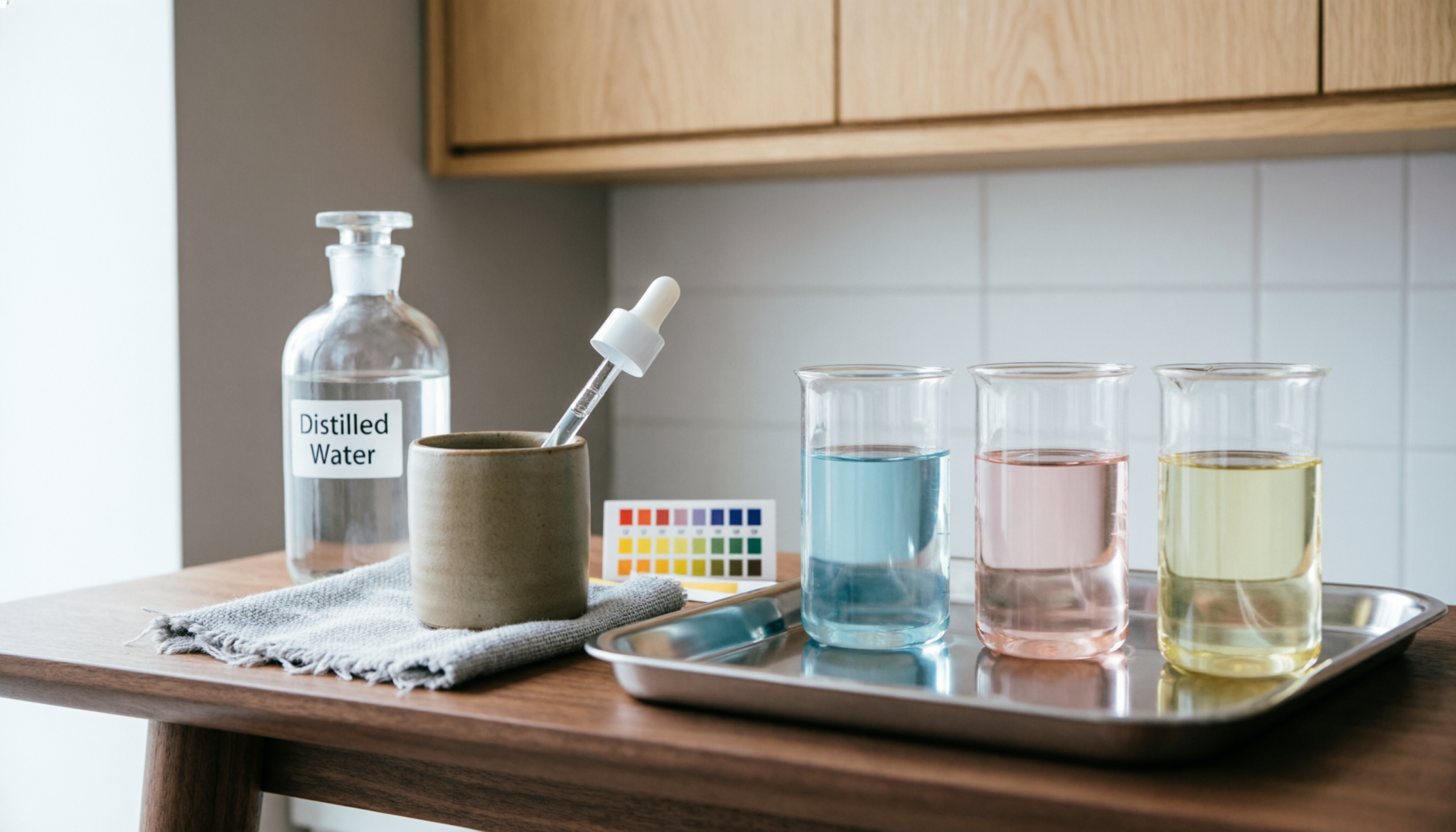
- Use pH test strips
- Dip into mixed solution
- Aim for a reading as close to 7 as possible
If the reading drifts too far, don’t use it. Adjust or discard. Guessing here is what leads to silent damage.
What Actually Works in Real Homes
From years of practical use, the pattern is consistent:
- Neutral, low-foam solutions keep machines running longer
- Floors stay consistent in look and feel
- Maintenance drops significantly
Shortcuts with harsh cleaners always catch up. Sometimes slowly, sometimes all at once.
Bottom Line
Vacuum mops are not built for kitchen-sink chemistry. Neutral pH and low foam aren’t optional. They’re the baseline.
Ignore that, and the machine pays first. Then the floor. Then the wallet.