
Plastic-looking planters ruin good styling fast. Strong self-watering planters should support healthy roots while still blending naturally with shelves, consoles, kitchens, and living rooms.
The best options now mimic ceramic finishes convincingly enough to sit beside stoneware, linen textures, and wood accents without looking overly functional.
Self-Watering Planters Expert Design Verdict
Self-watering planters work best when the reservoir stays hidden and the exterior finish resembles real ceramic rather than glossy molded plastic.
Matte textures, neutral tones, and weighted silhouettes improve visual balance indoors. Large reservoirs reduce maintenance while wick-based systems keep soil consistently moist without oversaturating roots.
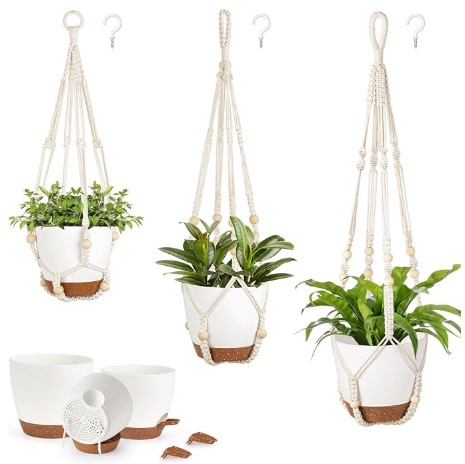
The Winner: Mkono Self Watering Planter
Comparison Table
| Feature | The High-End Choice | The Best Value | The Design Leader |
|---|---|---|---|
| Model | Lechuza Classico LS | Mkono Self Watering Planter | La Jolie Muse Ceramic Planter |
| Material | High-gloss resin (ceramic look) | Matte ceramic-look plastic | Glazed ceramic |
| Reservoir | Large (up to 5L) | Medium | Medium |
| Watering System | Indicator + wick | Wick system | Wick system |
| Best For | Large indoor plants | Everyday herbs & pothos | Statement shelves |
| Price | Amazon | Amazon | Amazon |
Why Self-Watering Planters Belong in Homes
Most plant failures come down to inconsistent watering, not lack of effort.
A hidden reservoir solves that problem. Roots draw water as needed, which prevents both dry soil and root rot.
The catch is appearance. Many self-watering pots lean utilitarian.
The better options now mimic ceramic finishes closely enough to sit beside stoneware, wood, and woven textures without standing out.
Another benefit rarely mentioned: fewer water spills. That matters on wooden shelves, window sills, and bedside tables where stains build slowly.
How We Tested Self-Watering Planters
Testing focused on both performance and appearance under real indoor conditions. Each planter category was evaluated across five core areas:
- Moisture consistency over two weeks
- Exterior finish quality in daylight
- Reservoir accessibility
- Weight and stability
- Visual integration within furnished spaces
Lower-quality finishes quickly revealed obvious plastic reflections under natural light. Lightweight pots also shifted too easily once plants matured.
Testing included:
- Pothos
- Peace lilies
- Basil
- Snake plants
- Small ferns
Rooms used during testing included kitchens, bookshelves, entry consoles, and living room corners with indirect sunlight.
The strongest performers balanced moisture control with believable material finishes that felt appropriate beside real ceramics and textured decor.
Expert’s Tip
Expert’s Tip: Self-watering planters look more refined when grouped with natural materials like oak, linen, stone, or woven baskets. Oversized glossy finishes often overpower smaller interiors.
Matte ceramic-look textures create softer reflections and hide water marks more effectively during everyday indoor use.
Self-Watering Planters that actually look like Designer Ceramic
1. Best Overall: Mkono Self Watering Planter
A balanced choice that gets the basics right without overcomplicating things.
The matte finish reads like soft ceramic from a distance, and the wick system keeps soil evenly moist for several days.
Works well for pothos, peace lilies, and herbs that prefer steady moisture. The size range also makes grouping easy on shelves without visual clutter.
2. Best High-End Look: Lechuza Classico LS Self-Watering Planter
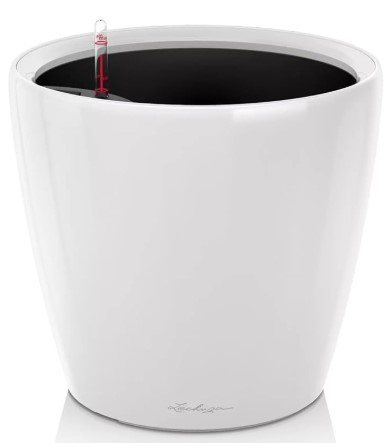
This one leans closer to furniture than a simple planter. The glossy finish mimics glazed ceramic, but the body is lightweight and durable.
The built-in water level indicator removes guesswork completely. Useful for larger indoor plants where overwatering usually becomes a problem.
Price sits higher, but maintenance effort drops noticeably.
3. Best Design Statement: La Jolie Muse Ceramic Self-Watering Planter
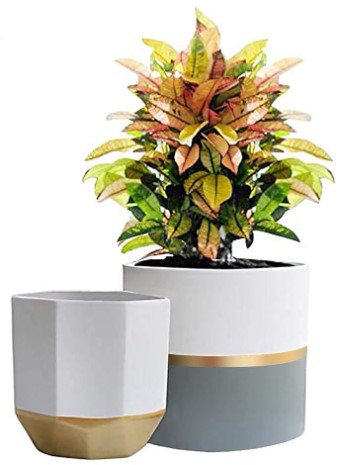
A true ceramic exterior with a subtle texture that blends well with neutral decor. It holds its own on coffee tables or console displays.
The reservoir system is simple but reliable. Best suited for medium plants that need steady moisture without constant attention.
The visual weight makes it feel intentional, not like a utility pot.
4. Best for Small Spaces: Window Garden Self-Watering Planter Pots
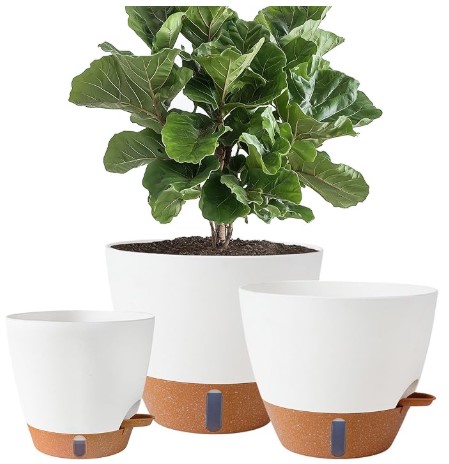
Compact, clean, and practical. These fit narrow window ledges, desks, and kitchen counters where space is tight.
The design keeps water hidden while allowing roots to pull what they need. Ideal for herbs like basil or mint that suffer quickly from missed watering days.
5. Best Budget Set: UOUZ Set of 3 Self Watering Planters
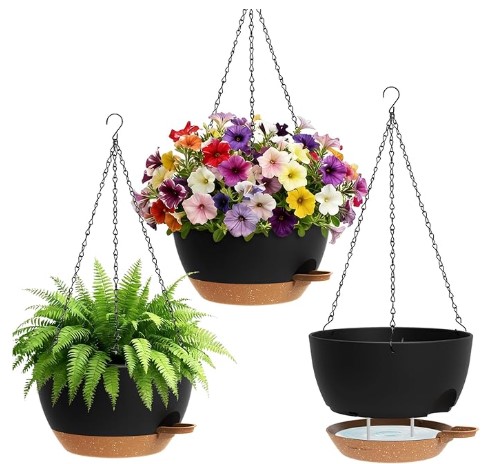
A practical option for filling multiple spots at once. The finish imitates ceramic well enough for casual spaces like bedrooms and kitchens.
The reservoir is smaller, so refilling happens more often. Still, for beginners or anyone managing several plants, the consistency helps avoid early plant loss.
FAQs
1. Do self-watering planters cause root rot?
Not when used correctly. The reservoir sits below the soil, and roots pull water through a wick. Problems usually come from overfilling or using soil that doesn’t drain well.
2. Are ceramic self-watering planters better than plastic ones?
Ceramic looks better and feels more stable, but plastic versions are lighter and less fragile. The real difference comes from the reservoir design, not just the outer material.
3. How often should the reservoir be refilled?
Most indoor plants need refilling every one to two weeks. Warmer rooms and sun exposure will shorten that window.
Best Places to Use Self-Watering Planters
Certain rooms benefit more from hidden reservoir systems than others.
Kitchen Counters
Herbs stay healthier with steady moisture while countertops remain cleaner from reduced overflow.
Bookshelves
Compact self-watering planters reduce maintenance in harder-to-reach styling areas.
Entry Consoles
Structured ceramic-look planters anchor decorative trays, candles, and mirrors effectively.
Bedroom Corners
Consistent moisture helps prevent dry neglected soil while maintaining a calmer visual atmosphere.
Avoid placing self-watering planters in rooms with poor airflow and extremely low light. Constant damp soil without healthy growth conditions can still weaken roots over time.
What Matters Before Buying
Many self-watering planters appear attractive online but disappoint once placed indoors.
Reservoir Size
Larger reservoirs reduce maintenance significantly for thirsty indoor plants.
Finish Quality
Matte textures usually resemble ceramic more convincingly than overly glossy molded plastic.
Weight Balance
Lightweight planters tip easily once plants mature or vines trail outward.
Wick System
Simple wick systems often outperform complicated multi-part watering inserts.
Shape
Rounded silhouettes soften interiors while tall cylindrical forms create a cleaner modern profile.
Final Thought
Good self-watering planters solve a real problem but often fail visually. The right picks handle both function and appearance without compromise.
Focus on reservoir size, finish quality, and plant type.
A well-chosen planter reduces daily care while keeping spaces calm, tidy, and intentionally styled without constant adjustment or attention.