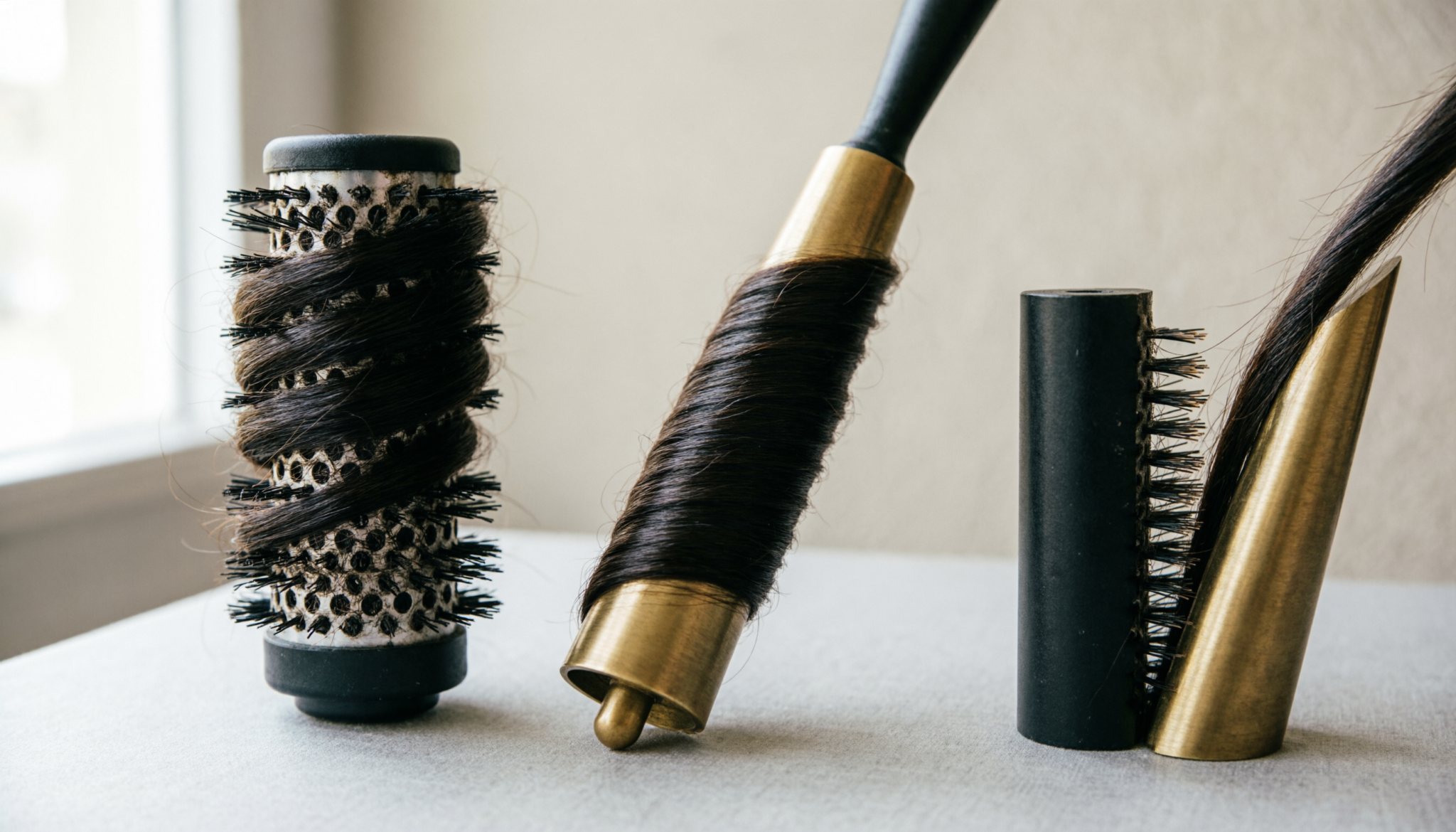
Diagnostic Summary: Hair wrap develops when long fibers coil around a spinning brushroll faster than the vacuum can eject debris into the airflow path.
Friction increases bearing temperature, slows brush rotation, strains drive belts, and eventually trips thermal protection systems.
Regular end-cap cleaning and airflow maintenance prevent most brushroll failures before motor damage occurs.
Warning: Continuous use with a jammed brushroll can overheat internal wiring, deform plastic end caps, and permanently damage sealed bearings. Burning odors, squealing noises, or sudden brush shutdowns indicate immediate mechanical resistance requiring shutdown and inspection.
Comparison Table
| Hair Wrap Condition | Particle Size Outcome | Capture Efficiency | Mechanical Application |
|---|---|---|---|
| Light Surface Wrap | Minimal airflow restriction | Normal debris pickup | Standard hard floor cleaning |
| Dense Fiber Compression | Reduced airflow near nozzle | Moderate carpet pickup loss | High-pile carpet agitation |
| Bearing-Level Hair Packing | Severe airflow disruption | Major suction and brush efficiency loss | Brush motor overload prevention |
Why Standard Brushrolls Fail
A traditional cylindrical brushroll is symmetrical. That is the core flaw.
Hair lands anywhere along the roller and has no directional bias.
As the brush spins, strands follow the path of least resistance, which is wrapping around the widest part of the cylinder.
Once one strand catches, others follow. That creates a tightening loop with every rotation.
Three forces are at work:
- Centrifugal force tries to fling debris outward
- Friction between hair and the spindle resists that motion
- Airflow attempts to pull debris into the vacuum channel
In a clean system, airflow wins. In a real home with long hair, pet fur, and dust buildup, friction wins early. That is when wrapping starts.
A weak brush motor makes it worse. Lower RPM means less outward force, giving hair more time to wrap before it can be lifted.
The Rotational Physics Behind Hair Wrap
A vacuum brushroll spins between 2,000 and 6,000 RPM depending on design. At those speeds, human hair behaves less like loose debris and more like flexible wire.
Centrifugal force pulls strands outward while rotational momentum winds fibers tightly around the roller shaft.
Every rotation increases tension. Each additional strand compresses existing layers closer to the bearing housing.
Over time, the wrapped hair forms a dense ring that acts almost like a brake pad against moving parts.
Short pet hair creates a different problem. Instead of long winding coils, shorter fibers embed into bristles and combine with dust oils.
That mixture hardens around the brushroll core and reduces bristle flexibility. Carpet agitation weakens even when suction still feels strong.
High humidity worsens the issue. Damp hair sticks more aggressively to rubberized rollers and soft brush materials.
Bathrooms, entry rugs, and homes with pets often experience faster buildup because moisture binds debris into compact masses.
Why Modern Vacuum Designs Fail Faster
Older vacuums used slower brushroll speeds and simpler belt systems.
Modern vacuums prioritize aggressive agitation for deep carpet cleaning, but higher rotational speed creates more friction stress.
Soft roller systems also changed the equation. Plush microfiber rollers trap fine hair strands deep within woven material.
Hair becomes embedded instead of remaining surface-level. Removal takes longer and often requires partial disassembly.
Compact cordless vacuums face additional engineering limits:
- Smaller motors generate higher localized heat
- Lightweight bearings tolerate less resistance
- Thin drive shafts flex under dense wrap pressure
- Battery protection systems shut down under overload
Brushless motors improved efficiency, but brushroll assemblies remain vulnerable. A powerful digital motor cannot compensate for physical resistance at the roller bearing.
Many users misdiagnose the problem as “weak suction.” In reality, airflow may remain normal while the brushroll loses rotational torque under hair compression.
Friction, Heat, and Bearing Failure
Hair wrap rarely destroys the visible brushroll first. Bearings fail before the roller itself breaks.
Vacuum bearings rely on low-resistance movement. Wrapped hair creates radial pressure around the shaft and traps microscopic dust particles inside the bearing channel. Friction rises rapidly.
Heat follows friction.
Once temperature increases, lubricant begins degrading. Plastic bearing housings soften slightly under repeated thermal cycling.
Small alignment shifts develop inside the brush chamber. The brushroll starts wobbling, squealing, or vibrating unevenly.
Symptoms usually appear in this order:
- Reduced carpet pickup
- Burning smell near floorhead
- High-pitched squealing
- Intermittent brush stopping
- Automatic shutdown
- Permanent brush motor failure
Many cordless vacuums include thermal cutout protection. The system shuts off the brush motor before wiring damage occurs.
Older upright vacuums often continue operating until belts snap or bearings seize completely.
Technician’s Insight
Technician’s Insight: Hair wrapped tightly against the end-cap bearing creates more resistance than most clogged hoses.
Many “dead” brushroll motors still function normally after complete shaft cleaning and bearing lubrication.
Ignoring early squealing noises usually turns a simple maintenance task into a full floorhead replacement within months.
Carpet Type Changes Hair Wrap Severity
Not all flooring stresses a brushroll equally.
High-Pile Carpet
Long carpet fibers increase drag against rotating bristles. Hair becomes trapped between carpet yarn and brush strips, creating rapid wrap accumulation.
Plush carpets also reduce airflow escape paths, causing debris recirculation beneath the nozzle.
Low-Pile Carpet
Lower resistance allows hair to move into airflow more efficiently. Wrap still occurs, but buildup develops slower because less friction exists between the floor and rotating roller.
Hard Floors
Hard surfaces expose another issue: static electricity. Fine hair clings directly to soft rollers and anti-static strips.
Pet hair especially tends to wrap around side bearings instead of entering the suction channel.
Area Rugs
Loose woven rugs create the worst-case scenario. Fibers shed continuously while long hairs twist into tassels and brush strips simultaneously.
Many brushroll jams originate from decorative rugs rather than full-room carpeting.
Why Hair Wrap Reduces Suction Performance
Hair wrap affects more than brush rotation. Airflow dynamics change inside the nozzle chamber.
A clean brushroll creates controlled turbulence that lifts debris upward into the suction path. Wrapped hair blocks airflow channels and interrupts agitation patterns.
Dust remains embedded because the carpet fibers never fully separate during cleaning passes.
Dense wrap also narrows the intake gap beneath the vacuum head. Air velocity changes unpredictably, creating uneven pickup zones across the floorhead width.
Signs of airflow disruption include:
- Debris lines left behind after passes
- Fine dust remaining near wall edges
- Vacuum sticking aggressively to carpet
- Reduced pet hair pickup
- Increased operating noise
Many users replace filters unnecessarily when the real restriction exists at the brush chamber.
Prevention Methods That Actually Work
Quick monthly cleaning prevents most failures. Waiting until visible tangles form usually means internal bearing wrap already exists.
Effective prevention includes:
Cut Hair Before Removal
Scissors or seam rippers work better than pulling. Pulling compresses hair tighter against the shaft and risks damaging bristles.
Clean End Caps Separately
Most serious buildup hides beneath removable caps. Surface cleaning alone misses the densest wrap layer.
Reduce Overlapping Passes
Repeated passes over the same carpet zone increase wrap accumulation without improving cleaning performance.
Vacuum Long Hair Early
Freshly shed hair tangles less aggressively than damp, compressed strands embedded for days.
Wash Soft Rollers Carefully
Wet rollers must dry completely before use. Damp fibers attract debris faster and increase drag.
FAQs
1. Why does hair wrap faster on cordless vacuums?
Cordless vacuums use smaller brush chambers and lightweight bearings. High-speed digital motors create strong agitation, but compact rollers accumulate heat and friction faster under resistance.
2. Can hair wrap permanently damage a vacuum motor?
Yes. Severe wrap increases resistance until brush motors overheat. Repeated thermal overload weakens internal wiring and may destroy motor control boards.
3. Why does the vacuum smell burnt during operation?
Burning odors usually indicate friction heat from wrapped hair near bearings or belts. Immediate shutdown prevents further damage and possible belt deformation.
Bottom Line
Hair wrap forms through simple rotational physics: spinning rollers tighten flexible fibers around moving parts until friction overwhelms the system.
Modern high-speed brushrolls clean aggressively but tolerate less resistance than older designs.
Regular bearing cleaning, end-cap inspection, and airflow maintenance prevent most failures before expensive motor or floorhead damage occurs.