
A well-kept vacuum lasts years longer and cleans better with less effort. The right maintenance kit handles hair jams, hidden dust, and clogged vents without guesswork.
This guide breaks down reliable brush tools, sturdy hooks, and precise air dusters that keep machines running strong and homes genuinely clean.
The Verdict: Holikme Dryer Vent & Vacuum Brush Kit
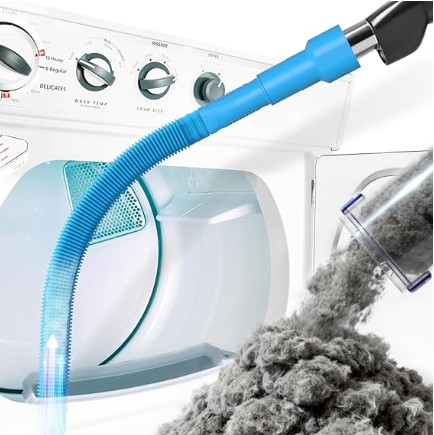
The most reliable vacuum maintenance kits combine anti-tangle brush tools, durable wall hooks rated above 10kg, and compressed air dusters with controlled pressure output.
Top picks pair firm nylon bristles with angled heads, rust-resistant steel hooks, and reusable air systems, cutting maintenance time by half while preventing motor strain.
The Comparison Table
| Kit / Product | Key Components | Build Quality | Best Use Case | Price |
|---|---|---|---|---|
| Holikme Dryer Vent & Vacuum Brush Kit | Flexible brushes + lint remover | Heavy-duty nylon + steel core | Deep hose and vent cleaning | Amazon |
| Command Heavy Duty Utility Hooks | Adhesive hooks (7.5–15 lbs) | Reinforced plastic + strong adhesive | Wall storage without drilling | Amazon |
| XPOWER A-2 Airrow Pro Air Duster | Electric air blower (multi-nozzle) | ABS housing + high-speed motor | Motor, filter, and crevice dust removal | Amazon |
The Hidden Cost of Poor Maintenance Tools
Cheap tools look fine on arrival, then fail when pressure matters. Soft brushes bend and miss packed debris. Weak hooks drop machines. Low-grade air cans lose pressure halfway through a job.
That leads to three common problems:
- Dust pushed deeper instead of removed
- Overheating from blocked airflow
- Cracked housings from repeated falls
A proper kit avoids all three. Firm bristles pull debris out. Hooks hold steady. Air dusters clear what brushes cannot reach.
The Ultimate Vacuum Maintenance Kit: Brushes, Hooks, and Air Dusters
1. Best Overall: Holikme Dryer Vent & Vacuum Brush Kit
This kit handles the dirtiest part of vacuum care: internal buildup. Long, flexible rods reach deep into hoses and vents where suction drops over time.
Bristles stay stiff even after repeated use, which matters for pet hair and fine dust packed together.
What stands out:
- Flexible reach without snapping
- Dense bristle layout for stubborn lint
- Steel core that resists bending
Best use: Monthly deep cleaning of hoses and exhaust paths.
Weak spot: Not ideal for delicate filters. Bristles are firm and can wear soft filter fabric.
2. The Budget Choice: Command Heavy Duty Utility Hooks
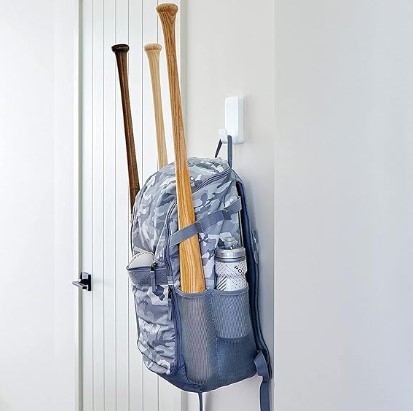
Storage is part of maintenance. A vacuum left leaning in a corner collects dust and takes damage. These hooks solve that with strong adhesive backing that holds without drilling.
What works well:
- Clean installation, no tools required
- Holds up to heavier stick vacuums
- Removes without wall damage
Best use: Small spaces where drilling is not practical.
Limitation: Adhesive weakens in humid areas over time. Not ideal for outdoor storage or damp laundry rooms.
3. The Warranty King: XPOWER A-2 Airrow Pro Air Duster
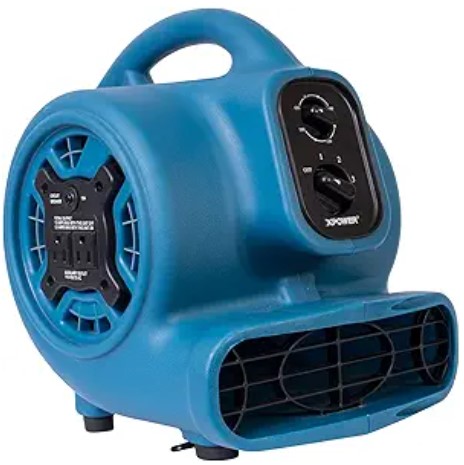
Air dusters often disappoint due to weak output. This one solves that with a steady, high-speed airflow that clears fine dust from motors, filters, and tight corners.
Why it earns a spot:
- Consistent airflow without pressure drop
- Reusable system, no refills needed
- Multiple nozzles for targeted cleaning
Best use: Cleaning filters, motor vents, and tight crevices where brushes cannot reach.
Trade-off: Louder than basic air cans. Short bursts work best.
4. The Detail Specialist: OXO Good Grips Electronics Cleaning Brush
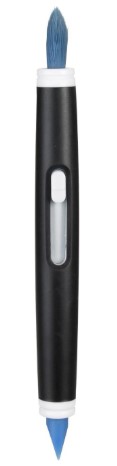
Small areas often get ignored. This compact brush handles seams, edges, and attachments where dust builds slowly but affects performance.
Strong points:
- Soft and firm bristle combination
- Comfortable grip for controlled cleaning
- Compact enough for daily use
Best use: Attachments, seals, and filter edges.
Limitation: Not suited for deep hose cleaning.
5. The All-in-One Organizer: StoreYourBoard Vacuum Wall Mount
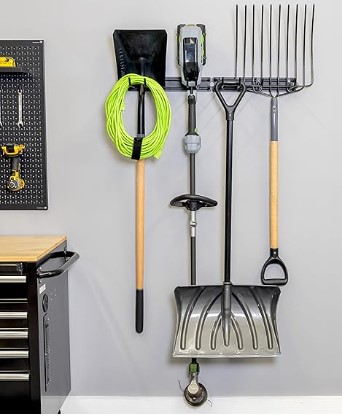
A proper mount prevents tipping, cable strain, and clutter. This option uses a steel frame to support heavier upright and cordless units.
What works:
- Strong metal construction
- Holds multiple attachments
- Keeps everything off the floor
Best use: Dedicated cleaning storage areas.
Drawback: Requires drilling, which may not suit every space.
How These Tools Work Together
A maintenance kit is not about one tool. Each piece solves a different problem:
- Brushes remove packed debris
- Air dusters clear fine particles
- Hooks and mounts prevent damage between uses
Skipping one part creates gaps. Clean hoses but poor storage leads to cracks. Good storage but clogged vents leads to overheating.
A balanced setup keeps airflow strong and parts intact.
Practical Maintenance Routine
Consistency matters more than effort. A simple routine keeps everything running smoothly:
Weekly
- Empty dust bin
- Quick wipe of exterior
- Check brush roll for tangles
Monthly
- Use flexible brush kit for hoses
- Blow out vents with air duster
- Clean filters gently
Quarterly
- Inspect seals and attachments
- Deep clean all removable parts
- Check wall mount or hooks for wear
This routine avoids sudden performance drops and costly repairs.
Common Mistakes That Shorten Vacuum Life
Using sharp objects to remove hair
Cuts brush fibers and damages rollers.
Skipping airflow cleaning
Blocked vents overheat motors quickly.
Overloading wall hooks
Leads to falls and cracked housings.
Using water on non-washable filters
Ruins filtration and spreads fine dust.
Each mistake looks minor but adds up fast.
FAQs
1. What is the most important tool in a maintenance kit?
A flexible brush kit does the heavy lifting. It clears deep clogs that reduce suction and strain the motor.
2. Are compressed air cans good enough?
They work for light cleaning but lose pressure quickly. Electric air dusters provide steady airflow and last longer.
3. How often should vacuum maintenance happen?
Light cleaning every week, deeper cleaning once a month. High-traffic homes may need more frequent care.
Final Thought
A vacuum works hard and quietly collects everything thrown its way. Maintenance tools decide whether it lasts two years or ten.
Solid brushes, reliable hooks, and a proper air duster keep airflow steady and parts protected. Small, consistent care always beats expensive repairs and rushed replacements.