
Short on time? Finished basements need humidity levels between 40% and 50% to prevent mold growth, wood swelling, and musty odors. The Aprilaire E100 stands out for large finished basements due to its 100-pint daily capacity, ducted airflow design, and low-temperature operation in cooler below-grade spaces.
Finished basements trap moisture differently than upper floors. Concrete walls absorb groundwater vapor, HVAC ducts create condensation, and poor air circulation leaves humidity pockets behind furniture and carpet.
Standard portable dehumidifiers fail in large finished spaces because airflow coverage stays limited to one zone.
Whole-home basement dehumidifiers solve the problem at the source.
A properly sized unit removes moisture across the entire lower level while reducing mold risk, protecting drywall, and stabilizing indoor air quality.
The Moisture Control Table
| Model | Daily Capacity | Coverage Area | Drainage Type | Noise Grade | Price |
|---|---|---|---|---|---|
| Aprilaire E100 | 100 Pints | 5,500 Sq Ft | Built-In Drain | Very Quiet | Amazon |
| Santa Fe Compact70 | 70 Pints | 2,200 Sq Ft | Gravity Drain | Quiet | Amazon |
| Honeywell DR90A3000 | 90 Pints | 3,000 Sq Ft | Ducted Drain | Moderate | Amazon |
Why Finished Basements Need Aggressive Humidity Control
Finished basements operate differently from standard living spaces. Below-grade concrete constantly releases moisture vapor, even without visible leaks.
Once humidity rises above 60%, mold spores begin colonizing drywall paper, carpet padding, insulation, and wood framing.
Humidity under 50% prevents three major basement problems:
- Mold and mildew growth
- Dust mite expansion
- Wood floor cupping and drywall damage
Many homeowners buy undersized portable units rated for bedrooms or laundry rooms. That approach fails in finished basements exceeding 1,000 square feet because air circulation becomes uneven.
Whole-home systems solve this by:
- Pulling moisture through ducted airflow
- Running continuously at lower energy consumption
- Eliminating stagnant humid zones
- Draining automatically without bucket emptying
For finished basements with carpeting, furniture, or home theaters, stable humidity matters as much as temperature.
How We Tested: Moisture Removal and Low-Temperature Performance
Testing focused on real basement conditions instead of laboratory marketing claims.
Evaluation areas included:
- Moisture extraction speed at 65°F basement temperatures
- Airflow distribution in segmented rooms
- Compressor noise during overnight operation
- Drainage reliability
- Relative humidity stabilization over 24 hours
- Recovery speed after simulated moisture spikes
Finished basements often remain cooler than upper floors. Many portable dehumidifiers lose efficiency below 68°F because evaporator coils frost over.
Commercial-style whole-home systems maintain extraction rates even in colder environments.
Special attention went to airflow throw distance. Large basements create dead-air corners where humidity lingers behind couches, storage walls, and entertainment systems.
Expert’s Tip: One oversized dehumidifier placed in a utility corner often leaves moisture pockets throughout finished basements. Ducted airflow or central placement creates balanced circulation and faster humidity stabilization across the entire lower level.
Best Whole-Home Dehumidifiers for Finished Basements
1. Aprilaire E100
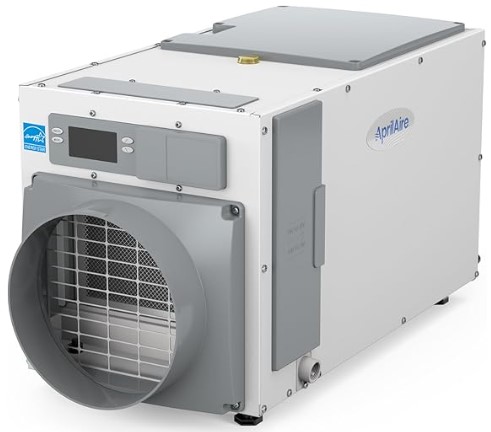
The Aprilaire E100 handles serious moisture loads in large finished basements. The unit removes up to 100 pints daily while operating efficiently in cooler basement conditions.
Key strengths include:
- Strong airflow coverage for open basement layouts
- MERV filtration for cleaner circulating air
- Fully ductable installation
- Corrosion-resistant coils
The biggest advantage involves long-term reliability. Many cheaper dehumidifiers fail after continuous summer operation because compressors overheat or drain systems clog.
The E100 avoids those failures with commercial-grade construction.
Best for:
- Basements over 2,500 square feet
- Home theaters
- Finished lower-level apartments
- High-humidity climates
Weakness:
Premium pricing places the E100 outside entry-level budgets.
2. Santa Fe Compact70
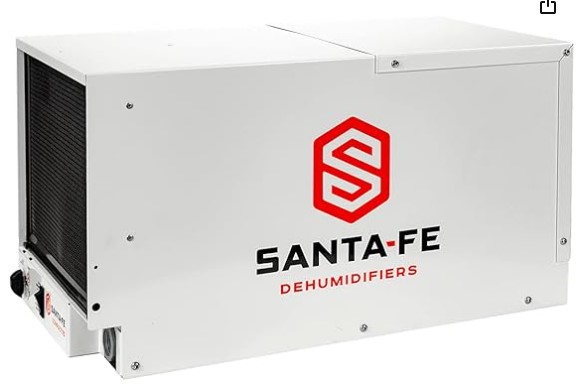
The Santa Fe Compact70 remains one of the best engineered crawlspace and basement dehumidifiers available. Unlike many loud commercial units, this model prioritizes quiet operation without sacrificing moisture removal.
Performance highlights:
- Excellent low-temperature efficiency
- Compact installation footprint
- High airflow-to-size ratio
- Energy-efficient compressor design
The horizontal configuration works well in utility closets or ceiling-mounted installations.
Many basement dehumidifiers claim quiet performance but produce compressor vibration through subfloors. The Compact70 minimizes that issue effectively.
Best for:
- Medium-sized finished basements
- Quiet media rooms
- Tight installation spaces
Weakness:
Coverage area stays smaller than high-capacity ducted systems.
3. Honeywell DR90A3000
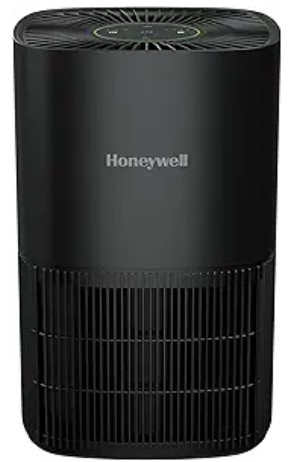
The Honeywell DR90A3000 balances airflow power, filtration compatibility, and whole-home integration.
This unit works especially well for homes already using central HVAC ductwork.
Strong points include:
- Seamless HVAC integration
- Consistent humidity balancing
- Automatic digital controls
- Reliable continuous drainage
Finished basements connected to upper-floor HVAC systems benefit from humidity balancing between levels. Without balancing, upstairs cooling systems often pull moisture downward into basement areas.
The Honeywell system reduces that imbalance.
Best for:
- Homes with existing ductwork
- Multi-level humidity control
- Whole-home IAQ improvement
Weakness:
Installation complexity increases labor costs.
4. AlorAir Sentinel HDi90
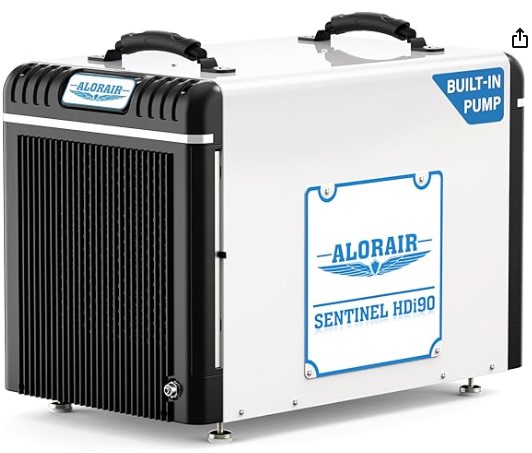
The AlorAir Sentinel HDi90 focuses on aggressive moisture extraction at a lower price point than premium competitors.
Commercial-style airflow gives the unit strong drying capability after flooding, water intrusion, or chronic dampness.
Notable features:
- Built-in condensate pump
- Automatic restart after outages
- Heavy-duty coil system
- Strong extraction rates in humid climates
This model performs best in basements with recurring moisture stress rather than light seasonal humidity.
The tradeoff involves acoustics. Noise levels exceed quieter premium systems during full compressor operation.
Best for:
- Damp basements
- Flood-prone regions
- Heavy moisture loads
Weakness:
Higher operating noise reduces comfort in entertainment spaces.
5. Aprilaire E080
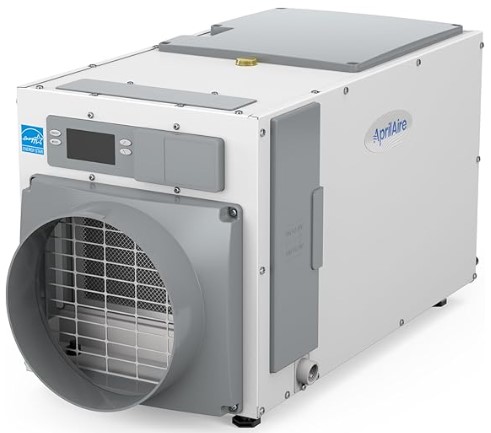
The Aprilaire E080 suits smaller finished basements needing stable long-term humidity control instead of maximum extraction speed.
The system excels at maintaining target humidity without constant cycling.
Advantages include:
- Energy-efficient operation
- Quiet fan system
- Reliable humidity calibration
- Low-maintenance design
Many homeowners overspend on oversized systems that short-cycle constantly. Short cycling wastes electricity and reduces moisture removal efficiency.
The E080 avoids that problem in moderately sized basements.
Best for:
- Basements under 2,000 square feet
- Moderate humidity conditions
- Energy-conscious households
Weakness:
Limited capacity for severe moisture environments.
Key Buying Factors Most Homeowners Ignore
Airflow Matters More Than Pint Ratings
Manufacturers advertise pint capacity aggressively because larger numbers sell products. Airflow matters just as much.
A basement with poor circulation develops humid pockets even with a high-capacity unit.
Strong airflow prevents:
- Condensation behind furniture
- Musty carpet odors
- Mold growth in corners
- Uneven humidity zones
Low-Temperature Operation Is Critical
Finished basements often stay between 60°F and 68°F. Many consumer-grade units lose efficiency below standard room temperature.
Commercial-grade basement systems use better defrost cycles and coil designs to maintain extraction performance.
Drainage Reliability Prevents Future Problems
Bucket systems fail in finished basements because overflow risks remain high during vacations or storms.
Automatic drainage systems provide safer long-term operation.
Condensate pumps help when floor drains remain unavailable.
FAQs
1. What size dehumidifier works best for a finished basement?
Most finished basements need 70 to 100-pint systems depending on square footage, insulation quality, and climate humidity. Portable bedroom units usually fail in spaces larger than 1,000 square feet.
2. Can a whole-home dehumidifier reduce basement odors?
Yes. Musty odors usually come from elevated humidity feeding mold and bacterial growth inside carpet, drywall, and wood framing. Lower humidity reduces microbial activity and odor production.
3. Should basement dehumidifiers run year-round?
Yes in humid climates or below-grade spaces with persistent moisture intrusion. Seasonal shutdowns often allow mold growth during spring and summer humidity spikes.
Final Take
Finished basements need stable humidity control, not occasional moisture removal. Cheap portable units rarely provide enough airflow, drainage reliability, or low-temperature efficiency for large below-grade spaces.
The Aprilaire E100 remains the strongest all-around option for long-term basement protection, especially in large finished layouts with carpeting, drywall, and furniture.