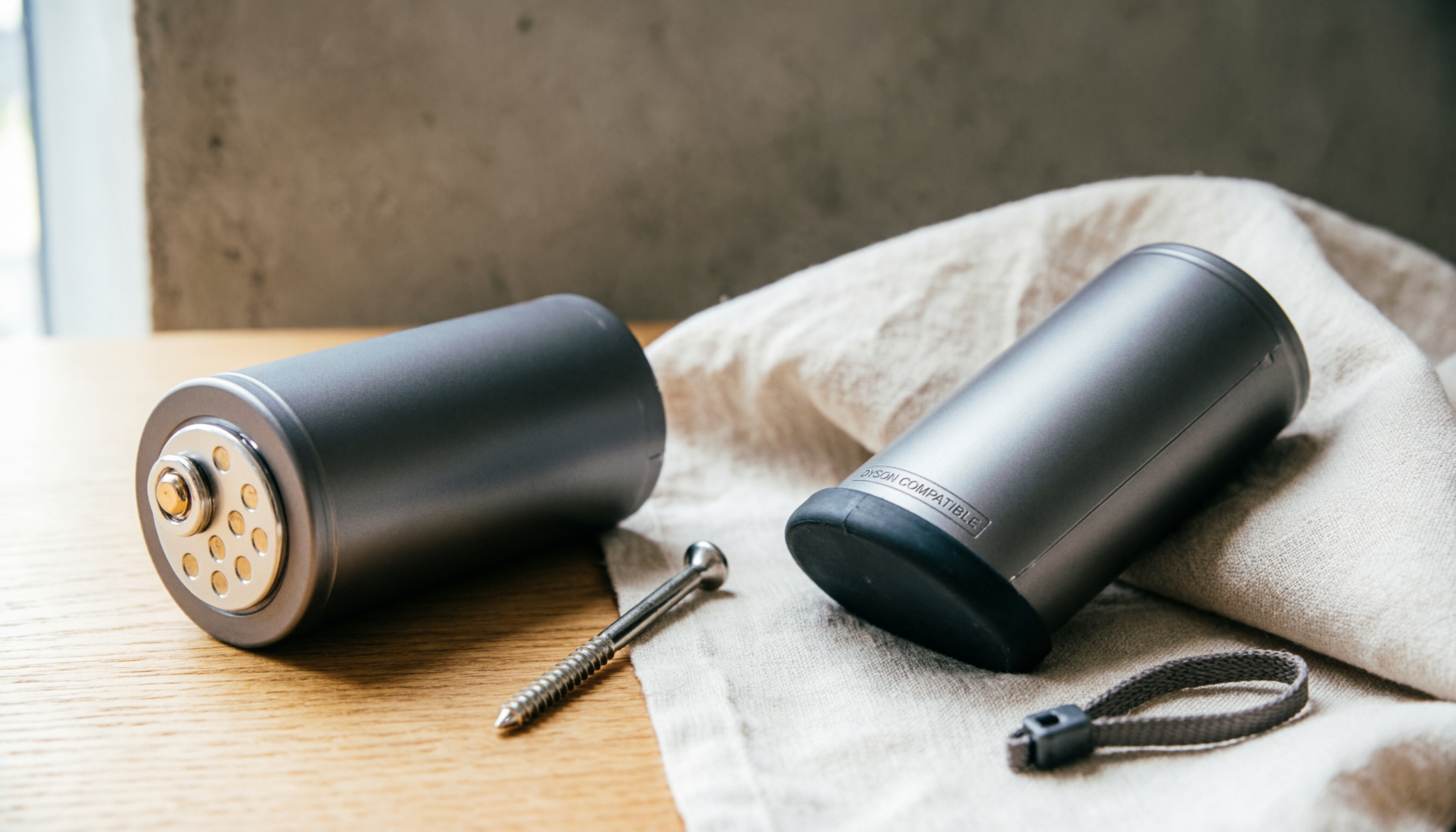
A worn-out battery turns a good vacuum into a frustrating one.
Before paying premium prices for an original replacement, it’s worth understanding what actually matters inside the battery.
The right aftermarket option can run longer, cost less, and hold up just as well in daily cleaning.
The Verdict: Lasica Replacement Battery
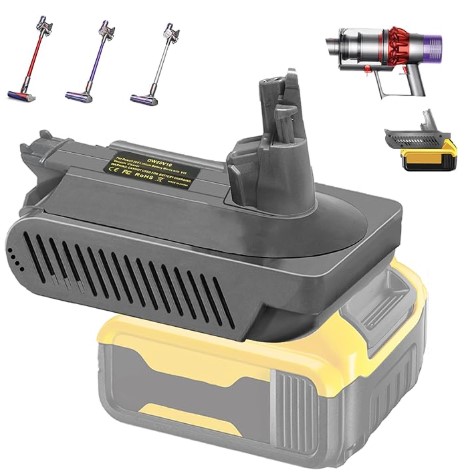
The best aftermarket Dyson V10/V11 batteries use Grade-A lithium-ion cells (often sourced from Samsung or Sony) and include a built-in Battery Management System (BMS) to prevent overheating and overcharging.
While Dyson OEM batteries cost over $130, solid Amazon-verified options deliver up to 4500mAh capacity and longer runtime for under $60.
The Comparison Table
| Battery Model | Cell Type | Capacity (mAh) | BMS Protection | Est. Runtime (Eco) | Price |
|---|---|---|---|---|---|
| Dyson OEM Battery | Samsung/Sony | 2600–3000 | Elite | 60 mins | Amazon |
| Lasica Replacement Battery | High-Grade Li-Ion | 4500 | Yes | 70–75 mins | Amazon |
| Bonacell Replacement Battery | Standard Li-Ion | 3000 | Yes | 50–55 mins | Amazon |
The “Fake Capacity” Trap: Why 6000mAh Batteries Are a Lie
Numbers sell batteries, but they don’t always tell the truth. Many listings claim 6000mAh or higher, yet deliver far less in real use.
The issue comes down to cell quality and physical limits.
A Dyson V10 or V11 battery pack has limited internal space. Genuine high-capacity cells simply can’t reach 6000mAh without overheating or cutting lifespan short.
When that number shows up at a bargain price, corners have been cut.
Common warning signs:
- Runtime drops sharply after a few weeks
- Battery heats up faster than usual
- Charge cycles shorten quickly
A reliable 4000–4500mAh battery from a reputable brand will outperform a “6000mAh” unit every time. Capacity only matters if it’s usable and stable.
Best Replacement Batteries for Dyson V10 and V11
1. Best Overall (OEM Reliability): Dyson OEM Battery
This is the safe choice. No guesswork, no compatibility issues, no error codes.
Dyson designs its batteries to work seamlessly with internal electronics and charging logic. That includes proper communication with the vacuum’s firmware, which cheaper batteries often skip.
Genuine parts also come with warranty support and strict safety certifications.
The downside is obvious: price. It costs more and usually offers lower capacity than aftermarket options.
Best fit for:
- Vacuums still in good condition
- Anyone who wants zero risk
- Homes where reliability matters more than cost
2. The Performance Leader: Lasica Replacement Battery
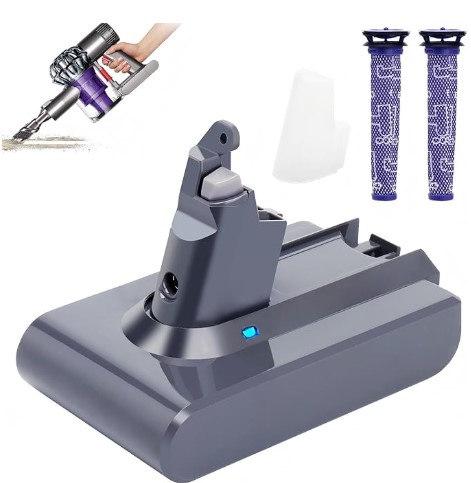
Built with higher-capacity cells that actually deliver on runtime, this one stands out in daily use. Floors, upholstery, and quick cleanups can run longer without reaching for the charger halfway through.
Thermal protection is where it earns its place. Even during heavier cleaning sessions, heat stays controlled. That matters because heat is what quietly kills most batteries over time.
Best fit for homes with pets, carpets, or frequent cleaning routines.
3. The Budget Choice: Bonacell Replacement Battery
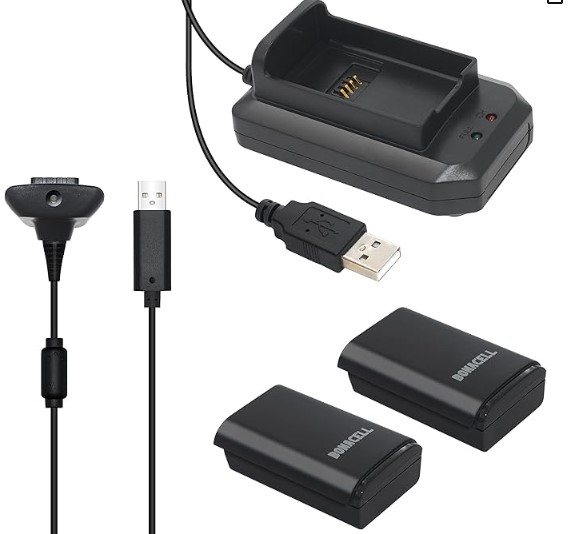
Not flashy, but dependable. This battery keeps close to original runtime at a much lower cost, which makes it a practical fix for a vacuum that’s already a few years old.
Charging stays steady, and the built-in BMS handles overcharge and short-circuit protection well enough for everyday use. No extended runtime, but no major compromises either.
Best fit for light cleaning, smaller spaces, or a backup vacuum.
4. The Warranty King: Powerextra Replacement Battery
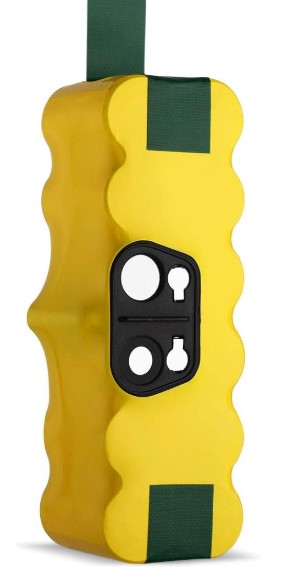
A longer warranty often signals confidence in build quality.
Powerextra backs its battery with a solid 12-month replacement guarantee, which removes some of the risk tied to aftermarket parts.
Performance sits between budget and high-capacity options. Runtime is consistent, and the battery holds charge well between uses. Not the longest-lasting per cycle, but reliable over months of use.
Best fit for anyone who values peace of mind over squeezing out maximum runtime.
FAQs
1. How long should a Dyson V10 or V11 battery last before replacement?
Most batteries last 2 to 4 years depending on usage and charging habits. Frequent full-power mode and constant charging shorten lifespan faster than moderate use.
2. Can aftermarket batteries damage a Dyson vacuum?
Only poorly built ones. A battery with proper BMS protection and stable cells will work safely. Cheap, unregulated packs are where problems start.
3. Is higher mAh always better?
Not always. Higher capacity helps only if the cells are high quality. A stable 4500mAh battery will outperform an unstable 6000mAh option every time.
Final Thought
A replacement battery should restore confidence, not add new problems. Focus on real capacity, proper protection, and consistent performance.
Paying less doesn’t mean settling for less. The right choice keeps a Dyson V10 or V11 running strong without overspending or second-guessing every charge.